
Land Selection & Due Diligence: Make Smarter Land Purchases
Every acre tells a story, but the question is whether you know how to read it before you sign.
Most developers evaluate a site based on price per acre, location, and gut instinct. That is how good deals turn into expensive lessons: environmental issues buried in the soil report; zoning restrictions that ruin your unit count; utility infrastructure that adds six figures to your budget before you even break ground.
ILCC’s Land Selection & Due Diligence service eliminates the guesswork. We evaluate every dimension of a property — environmental, zoning, utilities, market, regulatory, and title — so you know exactly what you are buying before you commit capital.
With over 30 years of development experience and 5,600+ units built across eight states, we have gained enough experience to identify the risks that generic consultants ignore because they have never built anything in the real world.
30+
Years in Development
5.600+
Units Built and Managed
Across 8 States
6
Point Due Diligence Analysis
2-3
Week Delivery Timeline
What Happens When You Ignore Due Diligence
Deals That Look Good on Paper
You found a 15-acre parcel at a price that makes sense, and the location fits your development thesis. The broker says demand is strong, so you decide to move fast because, in this market, good deals don't last.
Six months later, you discover the site sits in a FEMA flood zone that requires $200,000 in elevation work. Or the county's comprehensive plan doesn't support the desired density, or even that the nearest utility connection is over a kilometer away and the cost of the extension is more than the land itself.
We have seen this pattern repeat across hundreds of transactions. The cost of due diligence is only a fraction of what you will spend fixing problems that should have been detected before closing.
The Three Errors That Drain Developer Budgets
After three decades of evaluating land, the same three errors appear consistently:
1. Trusting the seller's information without independent verification. The seller isn't lying; they just don't know what they don't know. Environmental conditions, easement conflicts, and infrastructure limitations rarely appear in a standard real estate listing.
2. Relying on the opinion of a single professional. Your real estate attorney understands contracts, your civil engineer understands grading, and your environmental consultant understands soil. But none of them understand how all these pieces interact to determine if your project actually works. That is the gap.
3. Treating due diligence as a checklist rather than a decision tool. The goal is to answer one single question: should I buy this property and, if so, how much will it actually cost to develop?
Why Most Consultants Ignore What Matters
Here is the hard truth: most consultants who perform due diligence have never developed a property. They can identify environmental restrictions in a report, but they don't know what those restrictions actually mean for your pro forma.
At ILCC, every land evaluation is performed from the perspective of someone who has actually built more than 5,600 units across eight states. We don't just identify risks; we quantify them in dollars, evaluate schedule delays, and assess approval probability so you can make an informed decision.
The Six Dimensions of Land Evaluation
Each property we evaluate goes through six distinct analyses. Each one answers a specific
question about whether your land is viable and what will be necessary to develop it.
Environmental Analysis
We coordinate Phase I environmental assessments and analyze the results through a developer's lens. Wetland delineation, protected species habitat, contamination history, flood zone classification, stormwater management requirements, and more. We identify every environmental factor that affects your usable area, timeline, and budget.
Zoning and Land Use
Current zoning, future land use designation, overlay districts, alignment with the comprehensive plan, and variance history. We verify every regulatory layer that determines what you can build and how much. We don't just read the code; we interpret it based on 30 years of navigating local approval processes.
Utility Infrastructure
Water, sewer, electric, gas, and telecommunications: we analyze current capacity, connection points, extension requirements, and associated costs. Furthermore, utility deficiencies are the most underestimated budget item in development.
Market Viability
Is there demand for what you want to build? We evaluate absorption rates, comparable projects, population growth, employment trends, and competitive supply in the target market. This is an analysis completely focused on knowing if your specific project type can succeed on that specific site.
Regulatory Risk
Every jurisdiction has political dynamics that affect approvals. We evaluate community sentiment, recent patterns of denial, code changes, and impact requirements. If a site requires a change to the comprehensive plan, you need to know the probability of approval before you invest in the project.
Title and Legal Review
We coordinate title reviews with qualified real estate attorneys to identify easements, encumbrances, access issues, and deed restrictions. ILCC's role is to interpret these findings through the lens of development, translating legal language into implications for construction and project planning.
From Initial Contact to Final Report: The Process
1
Discovery Call
We start with a 30-minute conversation about your land, development goals, and timelines. It’s not a sales pitch, but rather a scoping session; after all, we need to understand what you are trying to build and what your concerns are.
2
Research and Data Collection
We consult public records, GIS data, flood maps, zoning ordinances, and comparable project data. If a site visit is necessary, we will walk the land to identify conditions that do not appear in documents.
3
Analysis and Risk Evaluation
We analyze the findings from the six dimensions and quantify each issue: how much does it cost to resolve? How much time does it add? Does it change the fundamental viability of the project?
4
Due Diligence Report and Recommendation
You receive a comprehensive report with our definitive recommendation: move forward, move forward with conditions, or walk away — we don’t sit on the fence.
Real Projects. Real Due Diligence. Real Results.
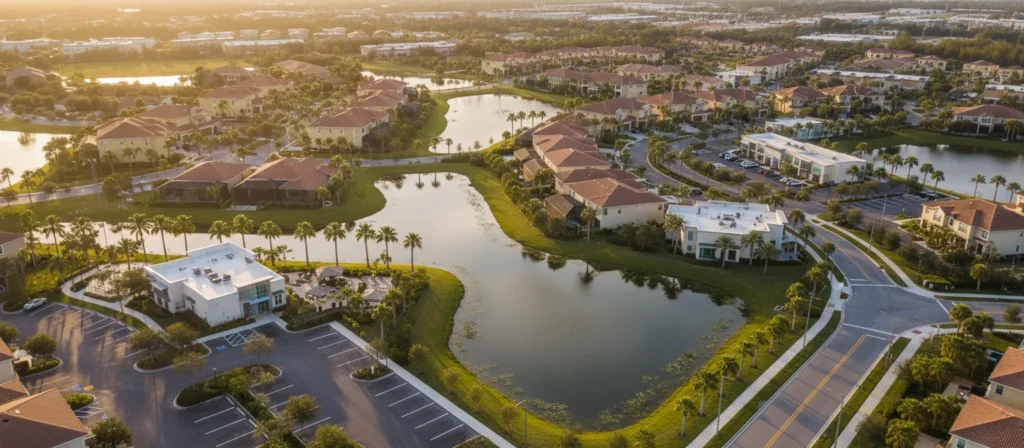
Mixed-Use in Lakewood Ranch
Our environmental review identified wetland areas that reduced the buildable area to 15 acres. Instead of ending the deal, these findings reshaped the plan. We developed a 3-phase licensing strategy that worked within the constraints.
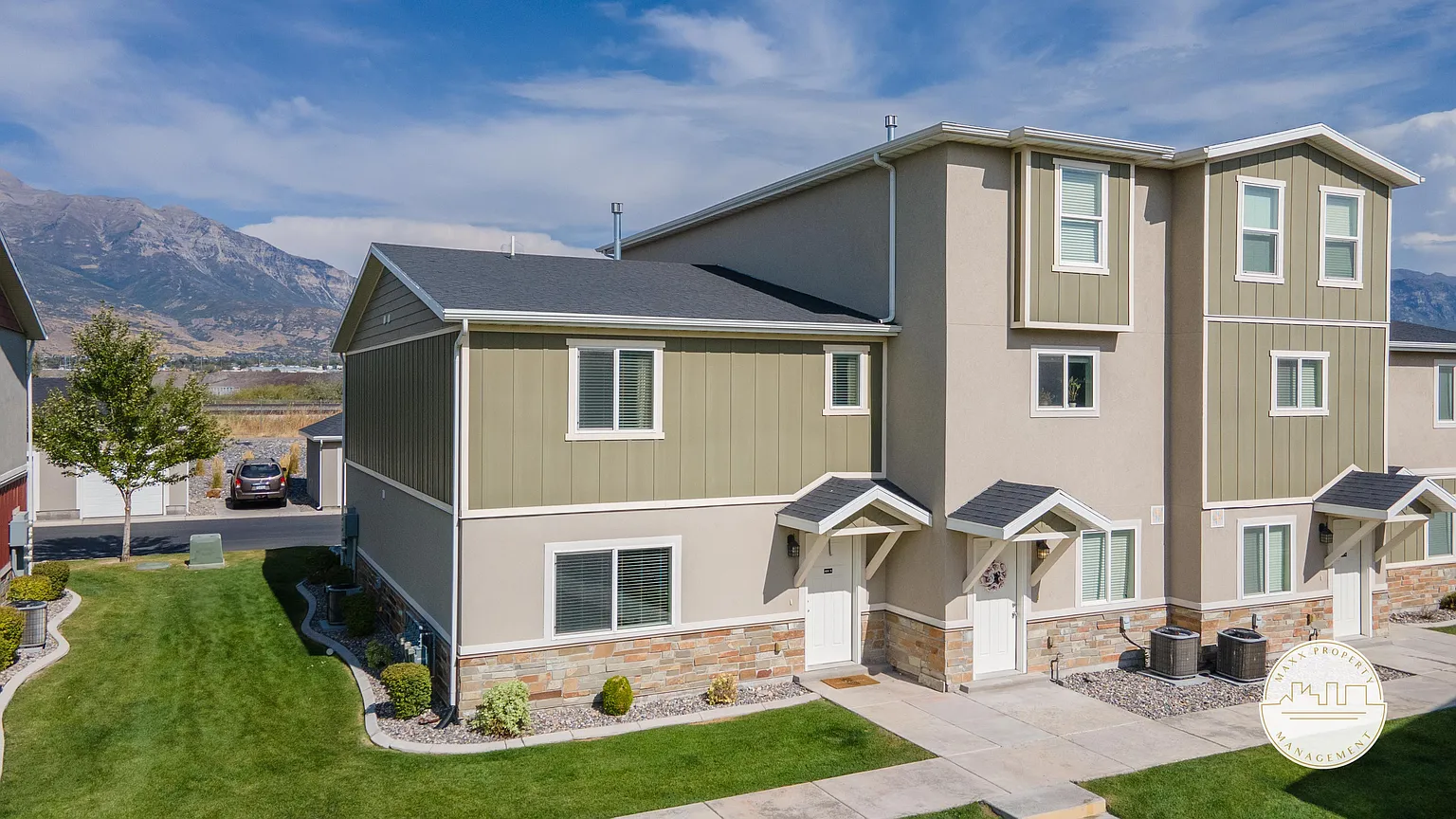
Apartments in Sandy City (240 Units)
Our analysis validated the strong rental demand and confirmed that the land supported the proposed density, identifying cost-saving opportunities that gave the developer confidence for a capital commitment of over $40 million.
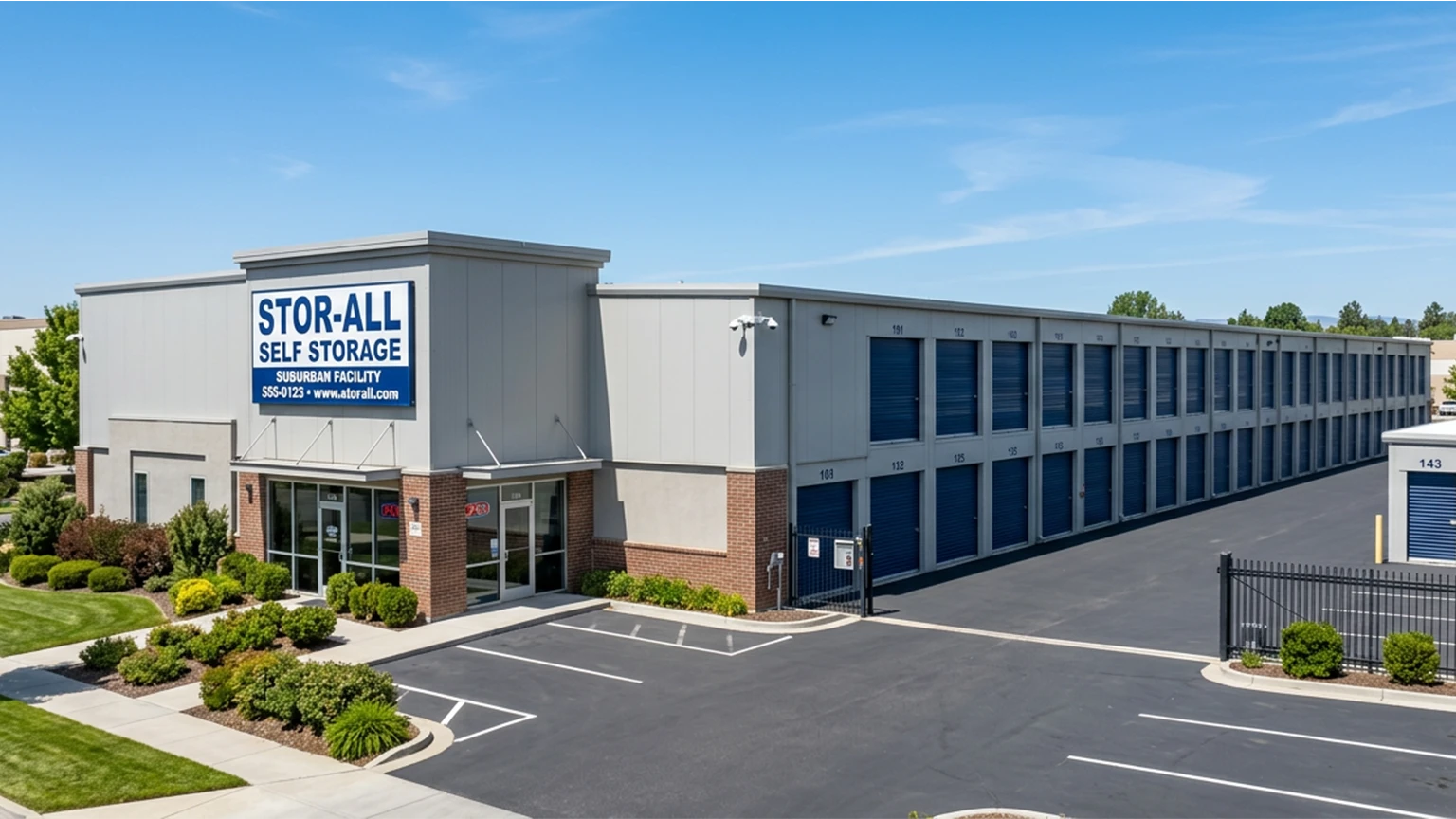
Warehouse-to-Self-Storage Conversion
Our analysis confirmed structural suitability, identified a viable path for a zoning variance, and validated local demand. The financial model proved profitability with conservative assumptions.
Frequently Asked Questions
What is land due diligence?
It is a structured investigation of the development potential of a property, covering environmental, regulatory, legal, market, and infrastructure risks.
How long does it take?
Generally 2 to 4 weeks from the initial site visit.
How much does it cost?
It varies according to size and complexity, but generally represents less than 1% of the total development cost.
What is the difference between due diligence and a feasibility study?
Due diligence answers “Should I buy this property?” (physical and legal viability). The feasibility study answers “Is this project economically viable?” (financial modeling). They are sequential steps — due diligence first, then feasibility study if the site passes.
Ready to Evaluate Your Next Land?
The First Conversation Costs Nothing
The first conversation costs nothing and will tell you exactly what you need to know.
Phone: (941) 254-3144 | Email: mike@integratedlandcc.com | Office: 1201 6th Ave W, Suite 100/220, Bradenton, FL 34205
Contact ILCC Directly
- (941) 254-3144
- mike@integratedlandcc.com
- 1201 6th Ave W, Suite 100/220, Bradenton, FL 34205
By submitting this form you agree to our privacy policy. We’ll never share your information.