
Land Use Consulting — Zoning & Site Strategy for Florida Developers
Before You Buy the Land, Know What It Can Become
Since each lot is different, many times what on the surface seems like a perfect plot may be locked behind zoning restrictions, parking requirements, or environmental constraints that kill your project before it starts. But that’s not even the worst part, because most developers don’t find out until they’ve already spent money.
For more than 30 years, navigating zoning codes and entitlements across 8 states, and over 5,600 residential units delivered, Mike Miller built ILCC to answer the question every developer should ask first: What does this land actually allow?
Through our integrated consulting approach, we offer zoning analysis, entitlement strategy, and site feasibility consulting so you know exactly what’s possible and what isn’t, all before you invest any money.
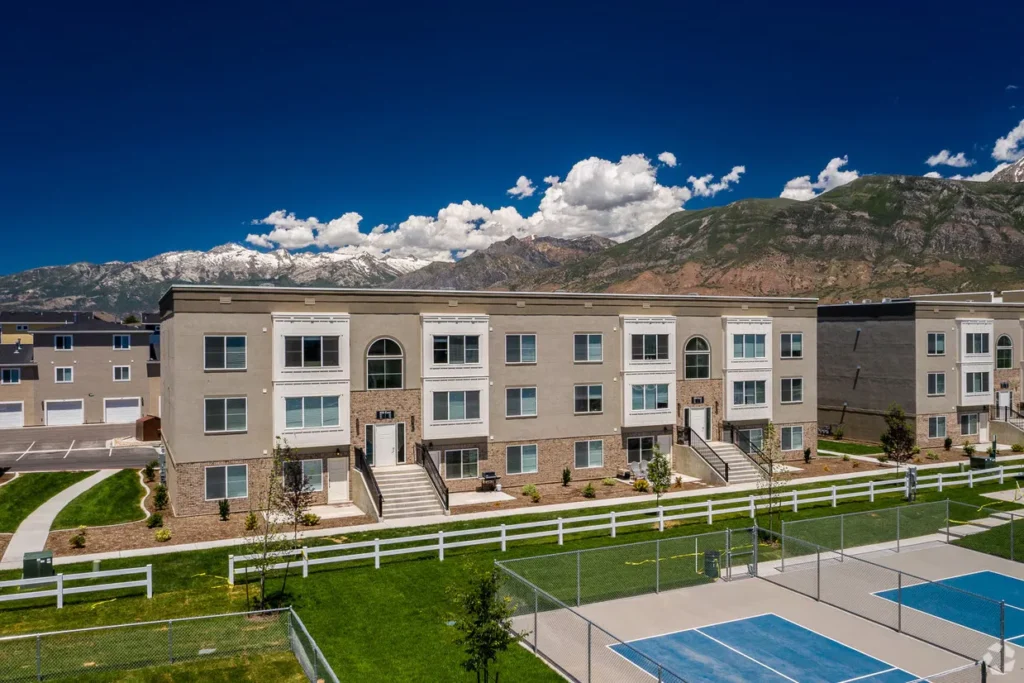
What 30 Years in the Field Actually Looks Like
We’re not a firm that learned all this in a classroom. The truth is, we had to work hard in the field, tackling complex projects that, with knowledge and strategies, we successfully completed in a market that isn’t always kind.
30+ Years of Development Experience
Everything we’ve experienced over these years, from market crises to regulatory changes, has altered how projects are approved. We draw on that survival experience in this industry to offer practical recommendations today.
5,600+ Residential Units Delivered
We have delivered more than 5,600 units across residential, mixed-use, and commercial construction projects. These results demonstrate how decisions made on paper translate into results in the field, something you only truly understand by actually completing the work.
Projects Across 8 States5,600+ Residential Units Delivered
We’ve worked in Utah, Idaho, Texas, Arizona, and now Florida. This means we’ve navigated different zoning frameworks, different contractor markets, and different regulatory environments, and navigating them all gives us both local knowledge and a perspective most consultants don’t have.
Zoning, Entitlements & Feasibility Under One Roof
Most developers hire separate experts for zoning, construction, and market analysis, and none of them communicate with each other. That’s why many projects become a headache. Having all the experts in one place ensures success; that’s how we work.
Zoning Problems Show Up After You've Spent Money
Most developers treat zoning as something to sort out after the deal is done. By the time the restrictions surface, the money is already in, and that’s usually when things get expensive.
The 'I'll Figure It Out Later' Trap
The story is always the same: a developer finds a piece of land, falls in love with the location, negotiates a purchase price, and finally starts asking about zoning. At that point, they’ve already spent money on surveys, environmental assessments, and maybe even an option payment. Then come the unpleasant surprises, finding out the land won’t support the density they need to make the numbers work.
Or worse, the entitlement process for their intended use will take 18 months and require city council approval, which isn’t guaranteed.
Zoning Determines Your Profit Margin
Raw land on a state road might look like a commercial opportunity. But sellers often price it assuming future commercial zoning, and the current zoning might only support residential. That gap between what the seller thinks the land is worth and what the zoning actually allows? That’s exactly where developers lose money.
Parking requirements alone can kill a project. If zoning mandates 2 parking spaces per unit and your site only supports 1.5 per unit at the density you need, you’re either reducing units and killing revenue or building structured parking and adding hundreds of thousands in cost, and neither option was in your original pro forma.
The Political Side Nobody Talks About
City councils can deny projects that technically comply with zoning if the political dynamics aren’t right; it happens more than most developers expect. Neighborhood opposition, council member agendas, and election cycles, these factors matter just as much as the code. And most developers walk into council chambers completely unprepared for the conversation they’re about to have.
- 3 Blind Spots
01
Zoning Restrictions
The land looks right but the code doesn’t support what
you want to build — density, use, or height all fall short
of what the numbers need.
Found after option payment
02
Parking Requirements
Minimum ratios reduce unit count or force structured
parking. Either way, it wasn’t in the pro forma and now
the deal doesn’t pencil.
$300K–$700K surprise
03
Political Dynamics
Technical compliance isn’t enough. Council opposition,
neighborhood pressure, and election timing can derail
an approvable project.
6–18 month delay risk
Land Use Consulting: Know Before You Commit
ILCC’s land use consulting starts with what most consultants forget to do: evaluate before you buy. Our first move is to analyze your target property’s zoning code, map the entitlement path, and run the feasibility numbers so you know whether the project is viable. And if it isn’t? We’ll tell you honestly and directly.
01
Zoning Analysis
We thoroughly investigate the local zoning code for your specific parcel and answer the questions that matter: What uses are permitted? What density is allowed? What are the setback, height, and parking requirements? Because zoning isn’t just about what you can build, it’s about whether what you want to build is financially sound under the rules that apply to that lot.
Mike can often determine if a project will work just by knowing the dirt cost and the desired density. Parking requirements are frequently what constrain the unit count, and that’s a calculation most developers don’t do until it’s too late.
02
Entitlement Strategy
Getting a project approved is a matter of strategy: Do you need a variance, a conditional use permit, or a full rezone? What documentation does the city require? Who on the council is likely to support or oppose your project? How do you present your vision in a way that moves the vote?
We build a strategy around your specific project from the start, which means when obstacles show up, and they usually do, we’re not improvising. When a Utah city’s mayor tried to block a 240-unit apartment complex, Mike didn’t give up. He presented a $40,000 scale model to the city council, showing the comprehensive vision for the project. The council overruled the mayor and approved it. This is how it works entitlement strategy, not just filing forms, but understanding how to navigate the political dynamics that determine your project’s fate.
03
Site Feasibility Consulting
Before you invest, you need to know if the numbers work, so we analyze the cost to develop against the revenue potential, accounting for density, parking, environmental constraints, utility availability, and infrastructure requirements. Sometimes the answer is “yes, build now”. Sometimes it’s “wait for the market”, and sometimes it’s “this land isn’t it.”
That honesty is what sets ILCC apart. We’d rather tell you a project won’t work than watch you lose money on something that was never going to pencil. That’s not a sales line, it’s just how we operate
From First Call to Clear Strategy. Here's What to Expect
Every engagement starts the same way: a direct conversation about your project and what you’re trying to build, because the clearer we are on the front end, the faster everything moves after.
1
Tell Us About Your Project
It starts with a consultation, where you tell us what you’re looking for: the land, the location, what you want to build, and what your budget looks like. While you do that, we’re asking the questions that help us calibrate: How much do you already know about zoning and entitlements? Have you purchased the land yet? Are there any deal deadlines we need to work around?
2
We Analyze the Zoning & Regulations
We pull the zoning code for your specific parcel, review permitted uses, density allowances, setback requirements, height limits, parking ratios, and any environmental overlays (including FEMA flood zone classifications). If something doesn’t work, we will identify it, and you will know about it before spending another dollar.
3
We Map Your Entitlement Path
Based on the analysis, we lay out exactly what approvals you actually need and how to get them, whether that’s a variance application, a conditional use permit, or a full rezone. We also estimate timelines, identify potential political obstacles, and develop a presentation strategy for council or commission hearings, if it comes to that.
4
You Get a Clear Go/No-Go Assessment
By the end of the process, you have everything you need to make an informed decision: a zoning summary, entitlement roadmap, and feasibility assessment. So, if the project works, you can move forward with confidence. If it doesn’t, you’ve saved yourself months of wasted effort and potentially hundreds of thousands of dollars.
Land Use Strategy in Action: Projects That Prove It
These aren’t hypothetical scenarios. They’re real projects where the right land use strategy changed the outcome, and in some cases, saved the deal entirely.
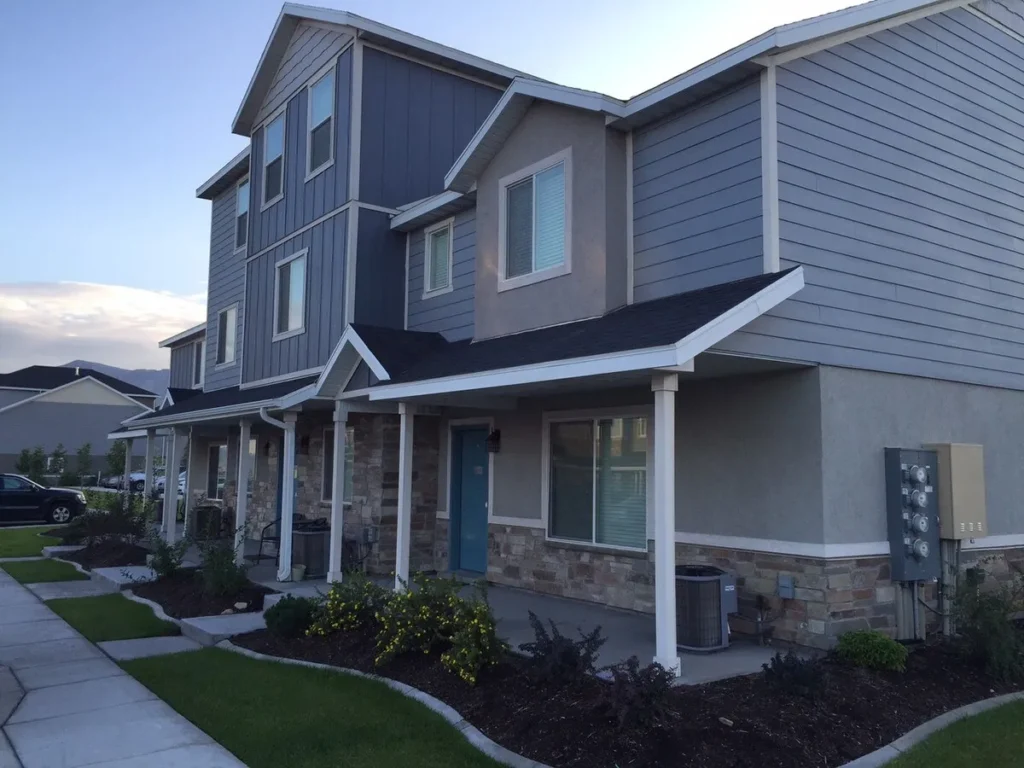
240-Unit Apartment Complex: Winning Approval Against the Mayor
We’ve worked through deals that most people would have walked away from, and this is one of them. A developer hired us because he wanted to build a 240-unit apartment complex in Sandy City, Utah, but the mayor opposed it, and the city council was split. At that point, most consultants would have scaled back the project or walked away, but Mike followed his vision and took a different path.
He commissioned a $40,000 scale model of the complete development and presented it directly to the city council, not as a defense, but as a vision, and with that move, Mike allowed the council to see what the project would actually look like, how it integrated with the surrounding neighborhood, and what it would contribute to the community. In the end, they overruled the mayor and approved the project, and all 240 units were built and are operating today.
And the lesson from this: entitlements are won through strategy and presentation, not just paperwork.
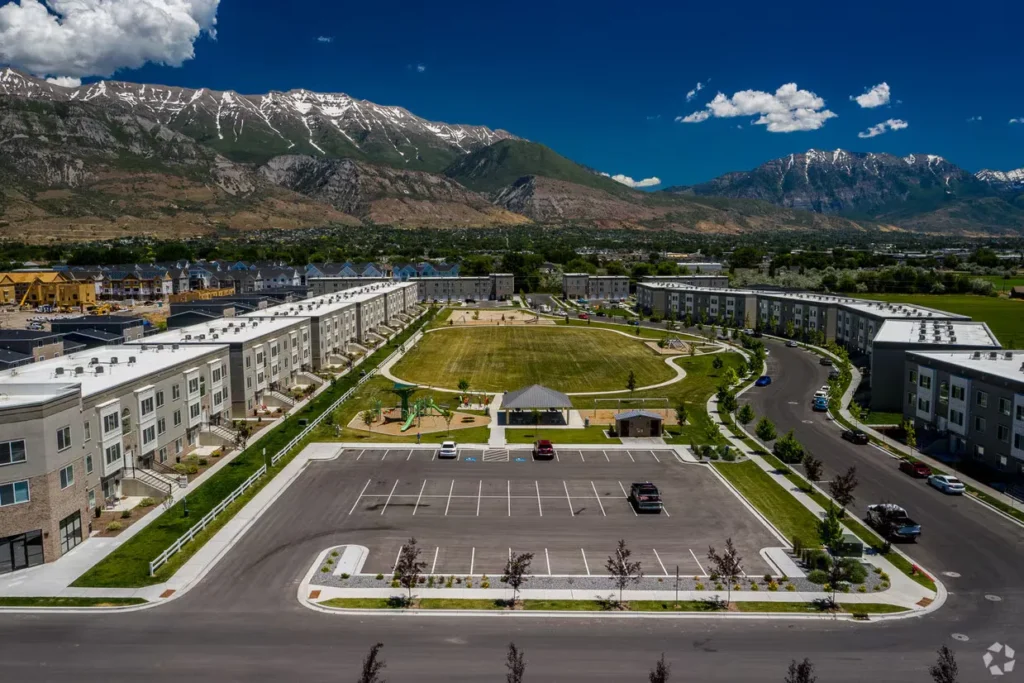
Warehouse Conversion: Dodging a $500K Parking Mistake
On another occasion, a Parrish, FL property owner contacted us with an old furniture warehouse they wanted to redevelop, but the original plan and triggered additional parking requirements that would have meant building a parking structure at a cost north of $500,000 that would have killed the project’s ROI.
While analyzing the zoning code, Mike identified a possible alternative: converting the upper floor to storage units, and this could work because storage units don’t trigger the same parking requirements as retail or residential spaces, so through that approach the owner avoided the parking structure entirely, converted the space into profitable rental units, and saved over half a million dollars in construction costs.
And the lesson here: the right zoning strategy turns constraints into opportunities.
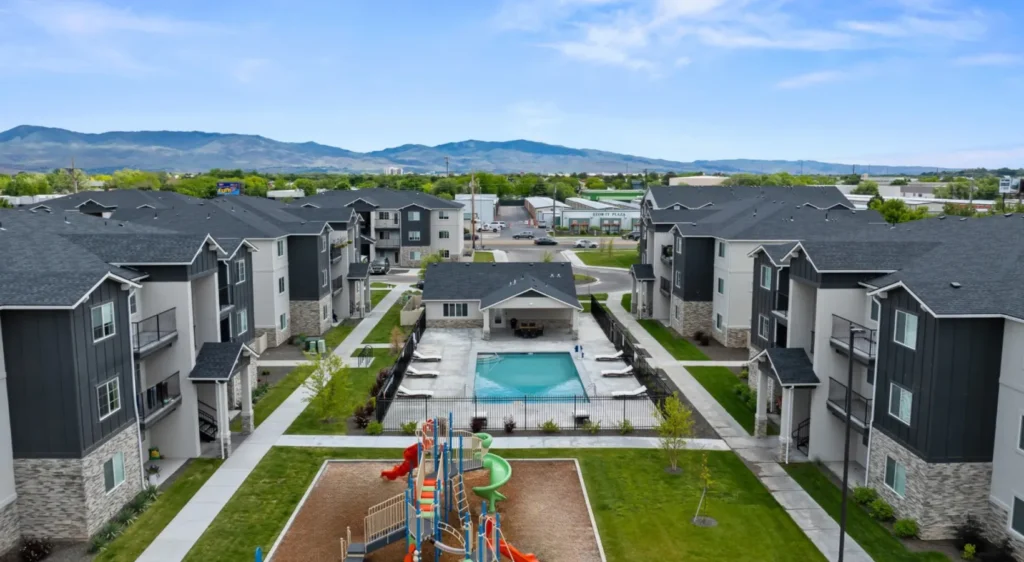
ADU Conversion: $50K Expense into $1,000/Month
A Sarasota homeowner planned to spend $50,000 in a master bedroom addition, a common renovation with a poor return on investment, and this addition wouldn’t significantly increase the home’s resale value, making it a lifestyle expense, not an investment.
But Mike identified an alternative use that zoning allowed: an Accessory Dwelling Unit (ADU). So instead of a one-bedroom addition, the homeowner built a separate rental unit for the same $50,000, and that unit now generates roughly $1,000 per month in rental income, and that’s how strategic thinking turns a depreciating renovation into a cash-flowing asset.
The lesson from this project: understanding what zoning allows can reshape the financial outcome of your project.
Surveying Shows What It Is, We Show What It Can Be
A typical land evaluation hand you data and leaves you to figure out the rest. What we do is take that data and answer the question that actually matters: what can this land become, and what’s the realistic path to get there.
The Typical Approach (and its typical mistakes)
Most firms involved in land evaluation focus on one piece of the puzzle. Surveyors measure boundaries and topography, but that’s all they see. In that model, attorneys review title and handle legal filings. Environmental consultants flag contamination, while appraisers estimate value. Each specialist presents their work, but no one connects all the dots into a complete development strategy.
The ILCC Approach
We start with the project outcome in mind and work backward, focusing on the questions that actually move a project forward:
- What do you want to build?
- What does the zoning allow?
- What approvals do you need?
- What will it cost to develop?
- Is there market demand?
From there, we connect the zoning analysis, entitlement strategy, and financial feasibility into a single, clear assessment since these pieces don’t exist in isolation, and in practice, a zoning change that looks good on paper means nothing if the entitlement timeline kills your financing terms.
A Consultant Who's Been a Developer
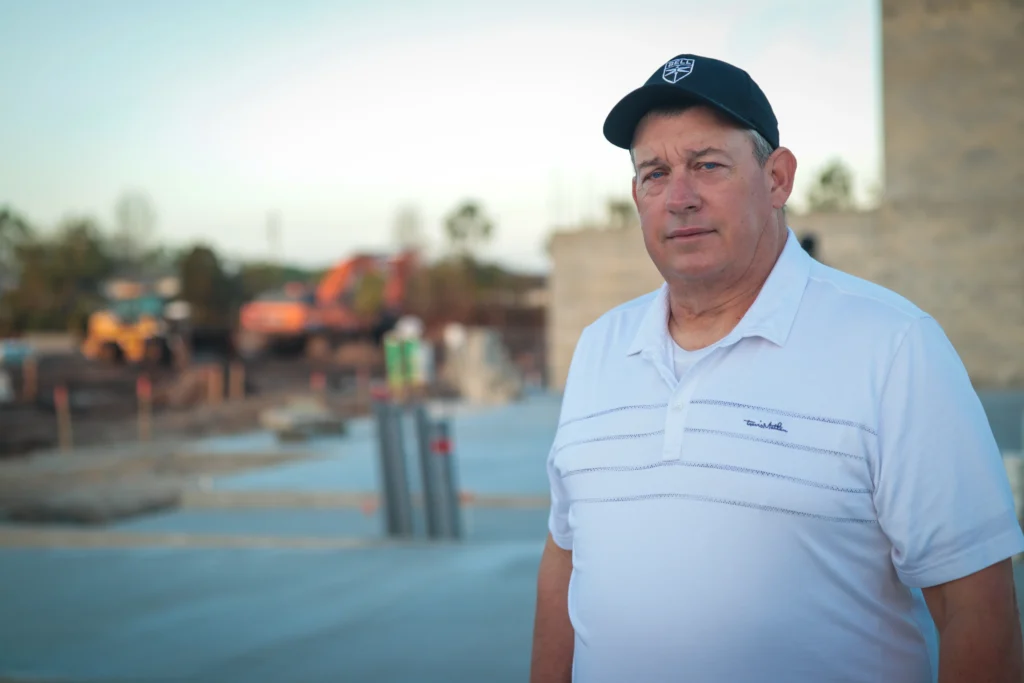
Mike’s consulting knowledge doesn’t come from textbooks, it comes from more than 30 years as a licensed general contractor and developer, building over 5,600 residential units across 8 states. Throughout that career, he’s sat in the buyer’s chair, negotiated with city councils, fought for entitlements, and built the projects himself, and that gives you a perspective that’s fundamentally different from someone who’s only ever reviewed zoning codes from behind a desk.
When Mike evaluates a piece of land, he’s not just checking boxes, he applies the same mental math he used when his own money was on the line, and that’s the difference between a consultant who understands land use regulations and one who’s actually used them to build projects.
First Project or Fiftieth, Start with the Land
Where you start in development almost always determines where you end up, and starting with a clear picture of what the land actually allows changes everything that comes after.
Custom Home Buyers Evaluating Lots
Maybe you’ve found a lot in Sarasota or Bradenton that seems ideal for building your dream home, but have you actually worked through the questions that determine it’s buildable:
– Do you actually know what the zoning allows?
– What are the setback requirements?
– Can you combine adjacent lots?
– Will FEMA flood zone classifications affect your build height or insurance costs?
Make no mistake, these questions aren’t optional, they determine whether your vision is buildable, and a 30-minute zoning consultation can save you from a six-figure mistake.
Builders Transitioning to Developers
You’ve built homes in subdivisions for years, and you know construction inside and out very well, but developing from raw land is a different game that 95% of builders have never played. This involves entitlements, zoning variances, conditional use permits, and city council presentations, and that’s the part they don’t teach in contractor school; that’s why we can help you bridge that gap so you can transition from hired builder to developer-builder with a real strategy behind you.
Acreage Owners Planning for Maximum Value
Maybe you own 5, 10, maybe 50+ acres in the Tampa Bay area, perhaps you inherited them or have held them for decades, and either way, you want to maximize their value, whether that means developing it yourself, subdividing for multifamily or mixed-use, or creating a plat and site plan that increases the sale price, and our job is to show you the highest and best use for your land and the zoning pathway to get there.
Deeper Dives Into Zoning, Entitlements & Land Strategy
If you want to go deeper on any of the topics covered in this page, these resources break down the specifics, and each one is written from the same place this page is: real experience.
Land Entitlement Process: Complete Roadmap
This is a step-by-step guide to navigating the entitlement process, from zoning review through council approval. This guide covers timelines, documentation requirements, and political strategy.
Coming Soon
R1 Zoning Explained: What It Means for Your Project
Understand the most common residential zoning classification to the most misunderstood one. Learn what R1 zoning allows, how it varies in Florida, and when you might need a different classification.
Coming Soon
Site Plan Review & Municipal Approval: What to Expect
Understand why your site plan is the bridge between zoning approval and construction. We break down what municipalities look for, common reasons for rejection, and how to present your plan for the smoothest approval path.
Coming Soon
Real Estate Due Diligence Checklist for Developers
You will also learn about the environmental review, utility analysis, flood zone assessment, and market demand. We present the complete due diligence checklist that separates experienced developers from the costly mistakes that first-time developers make.
Coming Soon
Land Use Questions Answered by a 30-Year Developer
These are the questions we hear most before a project gets started, and the answers come from 30 years of actually working through these situations, not from a manual.
How long does the entitlement process typically take?
It all depends on the complexity and the municipality. Simple zoning confirmations can take a few weeks. For variances or conditional use permits, typically take 3-6 months. Full rezoning can take 6-12 months or longer, especially if neighborhood opposition or political dynamics are involved. The first step we always take in projects is mapping the specific timeline for your lot’s jurisdiction so you know what you’re working with before you commit.
What happens if the city denies my project?
That’s exactly why entitlement strategy matters, and why we emphasize the political side, not just the regulatory side. Denials often come from poor presentation, inadequate community engagement, or misreading council priorities; that’s why we help you understand the dynamics before you walk into the hearing. Even in situations where board members oppose a project, the right strategy can shift the outcome. Mike once got a 240-unit project approved after the mayor personally tried to block it.
Do I need a zoning attorney, or is a consultant enough?
Not always, and many questions about zoning can be answered through ordinance review and consultation with the planning department. You typically need an attorney when you’re formally seeking a variance, challenging a denial, or navigating a particularly complex rezone. In those cases, we help you determine what level of expertise your specific situation requires, so you won’t have to pay for an attorney for questions a consultant can answer.
Can my lot be developed the way I envision?
That’s the fundamental question we answer. Zoning might limit your vision, but it might also present unexpected opportunities for higher density or alternative uses you hadn’t considered. We were once hired by a homeowner in Sarasota who was planning a $50,000 bedroom addition, but ended up building an ADU instead, with the same budget, but now it generates $1,000 a month in rental income. The answer often isn’t yes or no, it’s here’s what’s actually possible.”
What's the difference between commercial and residential zoning?
Commercial zoning generally allows for more intense uses, for example, higher density, workshop buildings, mixed-use possibilities, but comes with different parking ratios, setback requirements, and impact fees. Residential zoning is a different story; it is more restrictive on use but often simpler to navigate for single-family or small multifamily projects. Either way, what you really have to consider is which classification supports your intended development at the density and cost structure that makes the project profitable. With all that in mind, we translate the code into your specific project implications.
How much does land use consulting cost?
It varies by project scope. A single-lot zoning review for a custom home buyer is a very different engagement than a multi-parcel entitlement strategy for a 200-unit development. We look at the specific characteristics of each project to structure our consulting based on complexity and deliverables. The best way to get a clear picture is to schedule a consultation and tell us about your project, and we’ll explain exactly what you need and what it’ll cost before any work begins.
What areas do you serve?
ILCC is based in Bradenton, Florida, and our primary service area covers Sarasota, Manatee County, and the greater Tampa Bay region. And since Mike has more than 30 years of experience spanning eight states, we also take projects nationwide.
Ready to Find Out What Your Land Can Become?
Most developers wait too long to ask the right questions about their land, and by the time they do, the money is already committed. What we do is move that conversation to the beginning, where it belongs.
Get a Clear, Honest Assessment Before You Invest
Don’t guess about zoning, don’t assume entitlements will work out, and above all, don’t buy land until you know the numbers actually work.
Schedule a consultation with ILCC, and get a clear, honest assessment from a consultant who’s spent 30+ years building what you’re planning.
Book Your Land Use Consultation
Fill out the form below, and we’ll be in touch within one business day to schedule your land use consultation.
Contact ILCC Directly
- (941) 254-3144
- mike@integratedlandcc.com
- 1201 6th Ave W, Suite 100/220, Bradenton, FL 34205
By submitting this form you agree to our privacy policy. We’ll never share your information.