
The Builder Who Became a Consultant
30 Years. 5,600+ Units. 8 States. Now He’s Helping You Build Smarter.
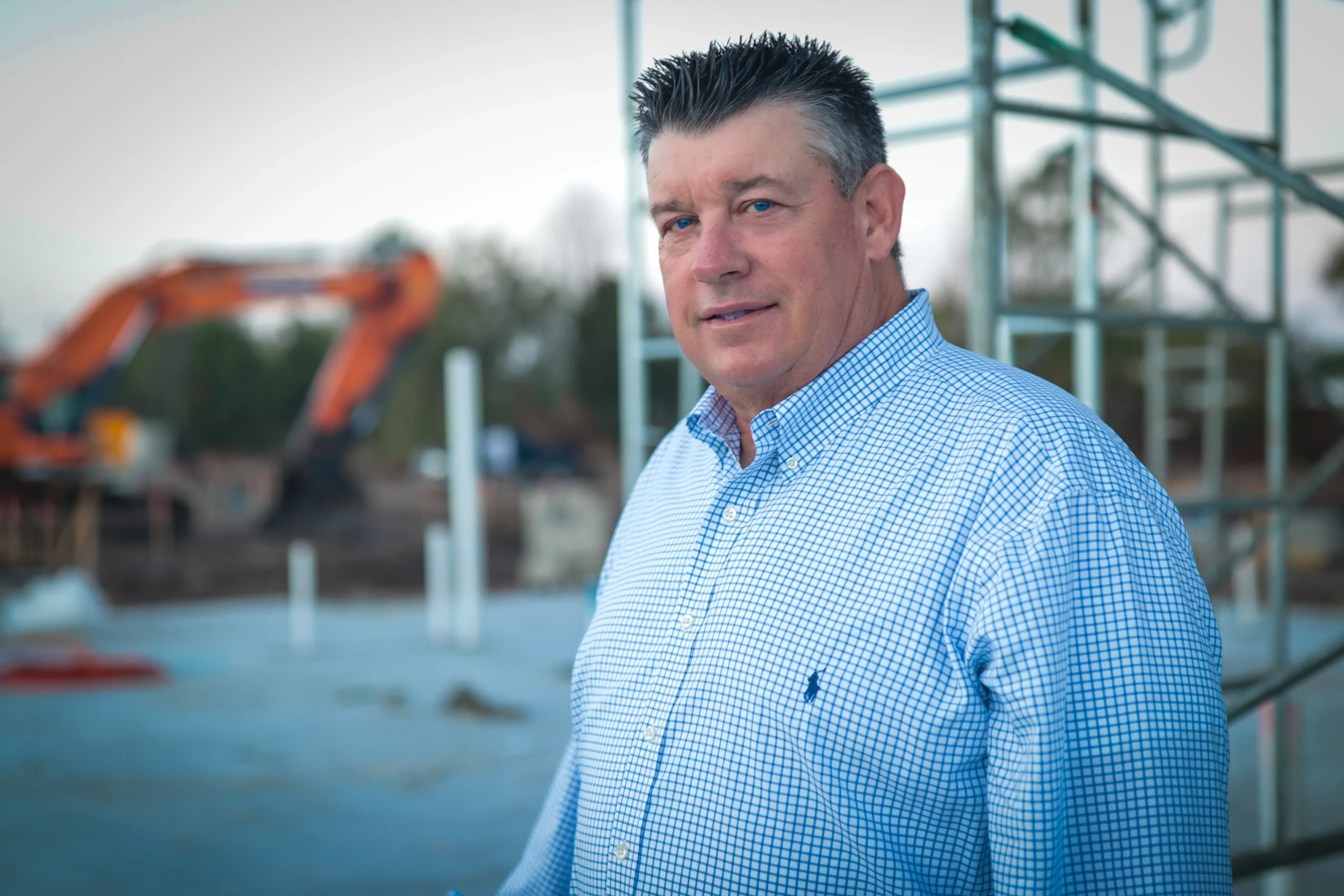
Mike Miller started simple, with a hammer, a wife named Lisa, and absolutely no home-building experience in 1995. What followed over the next three decades was a career building everything from single-family homes to 240-unit apartment complexes, and from custom luxury estates to commercial warehouses over 60,000 square feet.
He has made every mistake a builder can make, survived a market crash that cost him almost everything, and emerged on the other side with something no textbook can teach: the ability to see what’s coming before you even pour the first foundation.
It Started with One House
1995
No Experience, No Safety Net
In 1995, Mike and his wife Lisa decided to build a house. Not hire someone to build it, but build it themselves. Mike had no construction experience, no general contractor license, no crew. He had only a lot, a construction loan, and the kind of stubborn determination that either leads to bankruptcy or builds an empire.
He made every mistake you can imagine, like hiring bad subcontractors, budget overruns, and scheduling disasters. But when that first house sold, two things happened: he paid off the loan, and Lisa was able to stay home with the kids. That was enough to give him the motivation he needed to do it again.
2000s
From One House to Fifty Employees
One house turned into two, and two turned into ten. Mike kept building, learning something new with every project—things you don’t learn in a classroom, like how to read a subcontractor’s bid and know they are charging too little. Or how to spot a drainage issue before it becomes a $200,000 lawsuit, or even how to negotiate with a city planning department that doesn’t want your project.
Within a decade, his operation had grown to 50 full-time employees and over 1,200 workers across multiple projects. He even obtained his General Contractor license and began taking on larger, more complex works.
Peak
The Career-Defining Projects
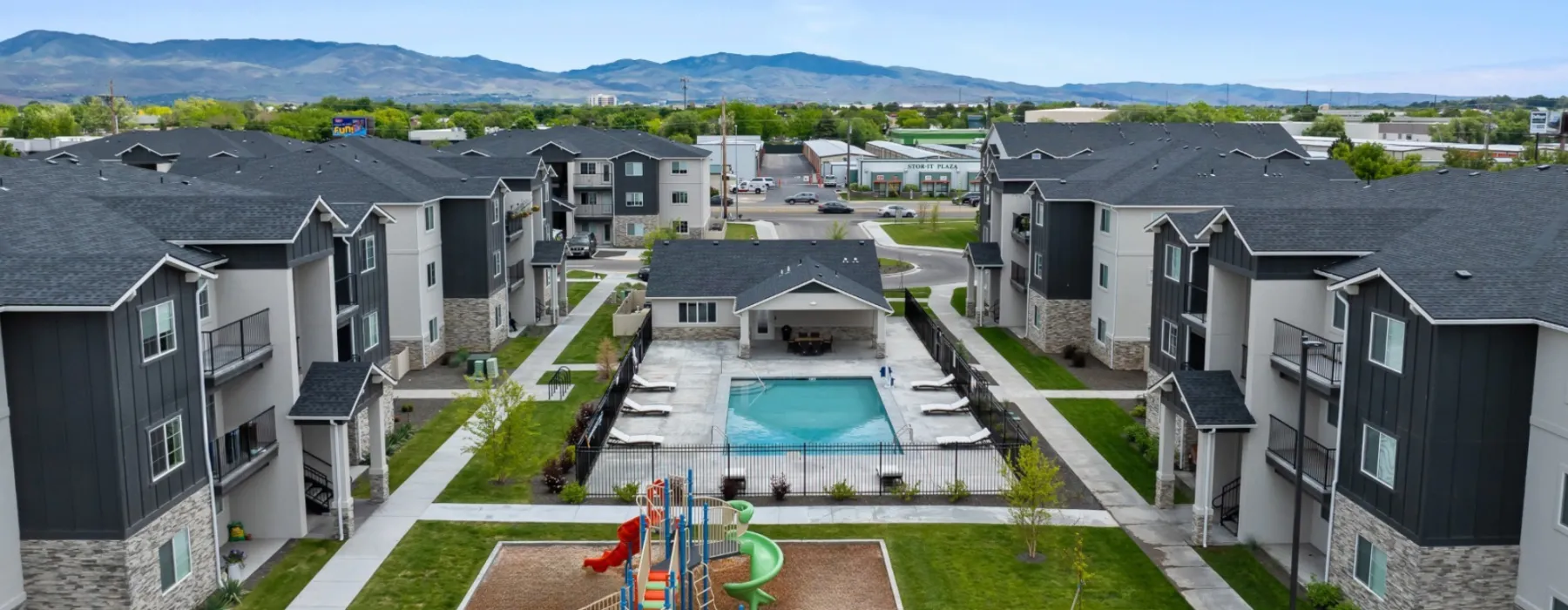
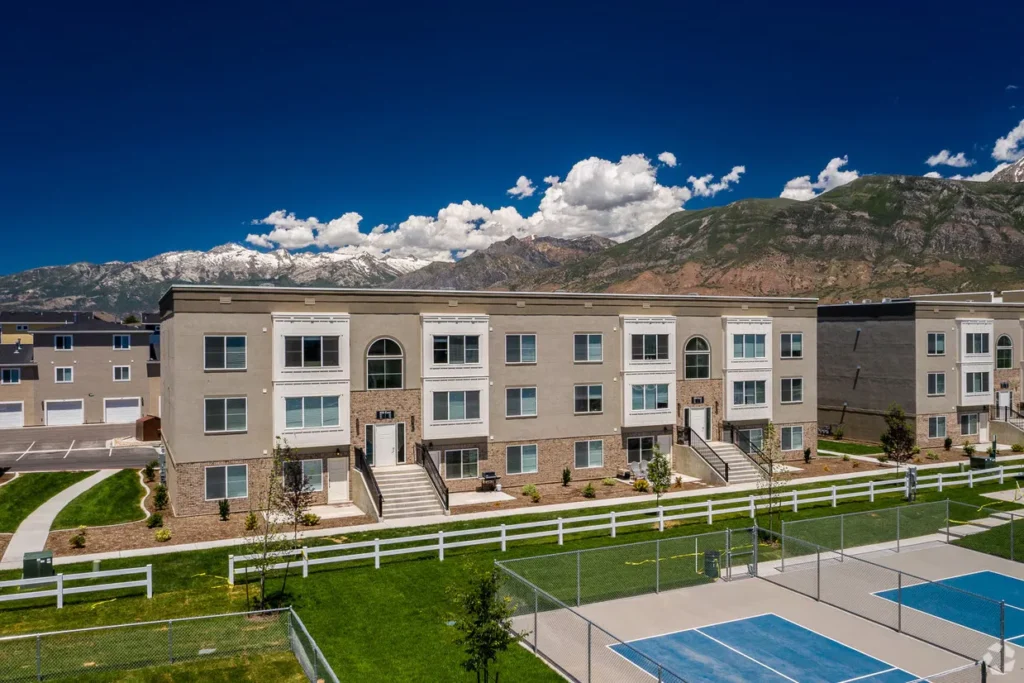
The numbers tell part of the story: over 5,600 residential units, custom luxury homes ranging from 5,000 to 16,000 square feet, apartment complexes, commercial warehouses, and developments in eight states. But the defining moments weren’t the big numbers; they were the moments of problem-solving.
When a mayor denied approval for a 240-unit apartment project in Sandy City, Utah, Mike didn’t walk away. Instead, he invested $40,000 in a professional scale model, presented it to the city council, and secured approval for the project — a complex that still stands today. When a client bought an old furniture warehouse and wanted to demolish it, Mike saw he could do something different. He converted the upper floors into storage units, a use that didn’t require additional parking under local zoning codes. In other words, the client saved hundreds of thousands in demolition and new construction costs.
When another client wanted to add a master bedroom, Mike convinced them otherwise: he designed an Accessory Dwelling Unit (ADU) that now generates $1,000 per month in rental income on a $50,000 investment. That’s not just consulting; that’s changing someone’s financial future.
Surviving What Breaks Most Builders
2008: When the Market Took Everything
The 2008 housing crisis didn’t just slow Mike down; it almost wiped him out. He lost about $2 million; projects stalled, buyers disappeared, and subcontractors went bankrupt. The market that had been booming for a decade collapsed in a matter of months.
Many builders gave up, many good professionals lost everything and never came back — but Mike didn’t quit.
The Pivot That Changed Everything
Instead of trying to keep up with the rising market, Mike shifted his focus. He moved to entry-level homes and rental properties, the segment that recovers first in any crisis. He started small, rebuilt deliberately, and within a few years, he was building at scale again.
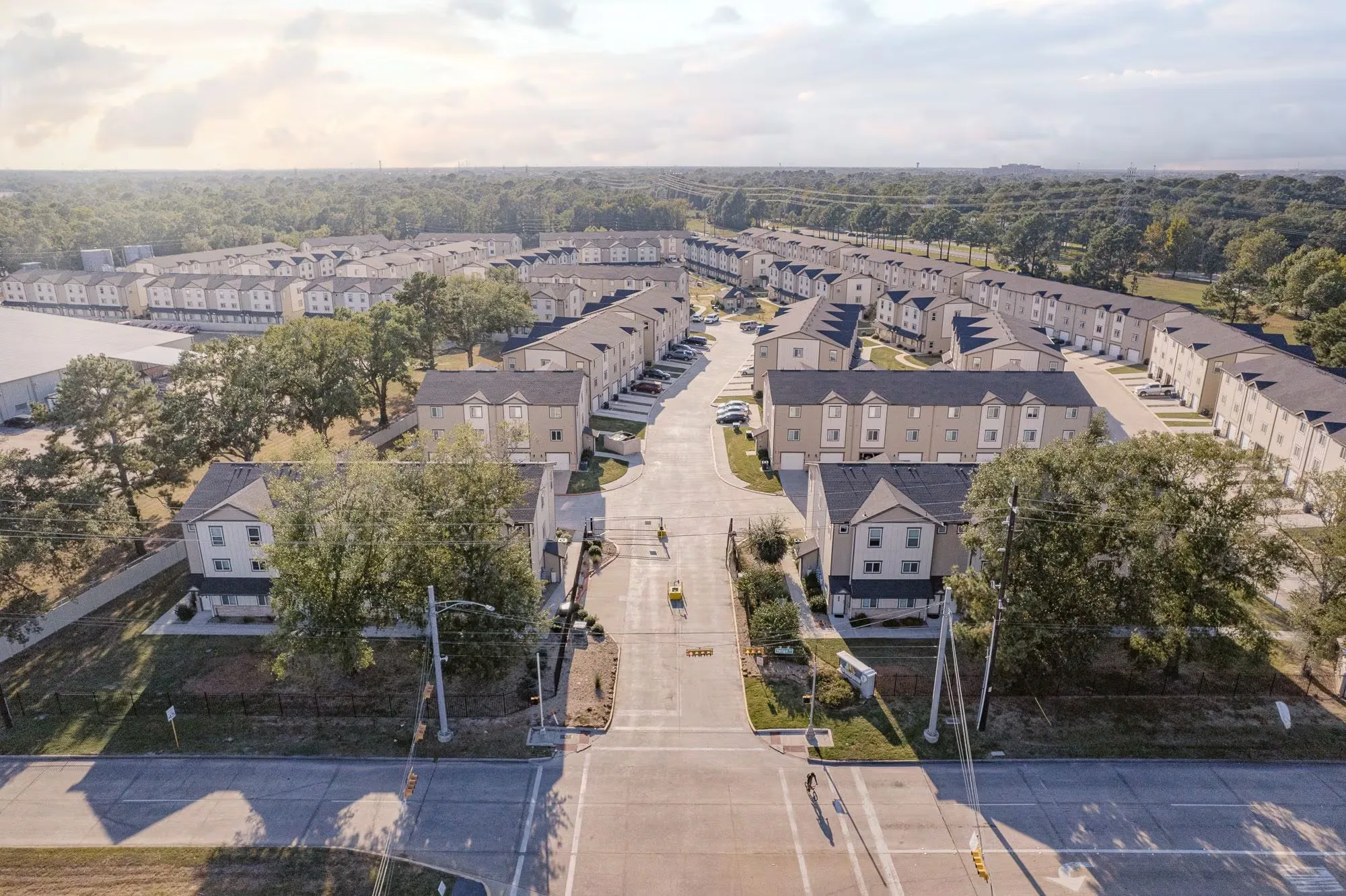
Then he did something most builders never consider: he built a property management company. At its peak, Mike’s management operation oversaw 3,500 rental units. He sold that business in 2021 and moved to Florida.
Why the Crisis Matters to You
Here is why this matters if you are thinking about hiring a consultant: Mike built through booming markets and survived the worst crisis in modern real estate history. He knows what excessive leverage looks like, he knows which projects survive crashes and which don’t, and that perspective is something you don’t get from someone who only read about recessions in textbooks.
"A lot of builders quit. A lot of good ones lost everything and never came back. Mike didn't quit."
3,500
Rental Units Managed Before 2021 Sale
First House
50 Employees
Market Crash
Pivot to Rentals
Sold & Relocated to Florida
First House
Why Mike Consults Instead of Builds
The Lesson That Took 30 Years to Learn
After three decades of building, developing, and managing properties, Mike realized something that most people in this industry never admit: the biggest mistakes in construction and development aren’t technical. They’re the mistakes you don’t even know you’re making.
A builder who has never done a 50-unit project doesn’t understand drainage engineering at that scale; a novice developer doesn’t know that the city permitting process can add 18 months to the timeline if they fill out the wrong form; just as an investor buying their first commercial property doesn’t know that the environmental assessment they ignored could cost them the entire deal.
The "Honest No" Philosophy
Mike's consulting approach is different from most firms you will find. He will tell you when a project isn't worth pursuing, even if that means losing the consulting fee. He has turned away clients whose projects were fundamentally flawed because taking their money wouldn't change the outcome.
This honesty comes from experience, and when you've seen enough bad deals, you recognize them before the first shovel hits the dirt. And you'd rather save someone $500,000 in losses than charge a $10,000 consulting fee.
We Fix Bad Work Too
Not every client comes to ILCC before the problems start — some come after. They hired a contractor who disappeared, or they have a project that is over budget and behind schedule, or they even received a notice from the city that their permits are about to expire.
Mike steps into these situations regularly. His role as the owner’s representative means he can assess the damage, negotiate with contractors, interact with city officials, and get stalled projects moving again. It’s not glamorous work, but it’s the work that saves projects, and sometimes, entire investments.

Who This Consulting Practice Serves
Whether you’re scaling up, evaluating an asset, or need expert oversight — here’s how ILCC fits in.
Builders Ready to Become Developers
You’ve been building homes for years and are ready to scale. Maybe it’s your first subdivision, maybe it’s a mixed-use project that is bigger than anything you’ve faced. Mike has been exactly where you are: he made the transition from builder to developer and can help you avoid the landmines he encountered along the way.
Property Owners and Investors
You own land or a property and want to maximize its value. Should you develop it yourself? Partner with a developer? Subdivide and sell the lots? Mike’s Property Vision analysis looks at zoning, market conditions, and the best possible use to give you a clear picture of what your asset is really worth and how to unlock that value.
Developers Who Need a Second Pair of Eyes
You are experienced, but this project is different. Maybe it’s a new market, a new asset class, or a deal that has hit a wall. Mike provides the kind of peer-to-peer consulting that only comes from someone who has managed projects personally at your scale. No theory, no textbooks, just 30 years of pattern recognition applied to your specific situation.
The Track Record, by the Numbers
The Numbers Behind the Experience
Years of Hands-On Experience
Residential Units Built, Developed, or Managed
Active Licenses & Credentials
Mike holds an active General Contractor license in Florida and maintains current licensing credentials. ILCC operates from its offices at 1201 6th Ave W, Suite 100/220, in Bradenton, Florida, serving the Tampa Bay metropolitan area in person and clients nationwide through remote consulting.
Frequently Asked Questions About ILCC
What makes ILCC different from other construction consulting firms?
Most consulting firms are made up of people who studied construction management in college. Mike Miller built his first house with his own hands in 1995 and has personally supervised over 5,600 units since then. The difference is life experience versus theoretical knowledge, and it shows in the quality of the consulting you receive.
Does Mike still build, or is it purely consulting?
ILCC is a consulting practice. Mike transitioned from active construction and development to advising other builders, developers, and investors. That said, he spent over 30 years as a licensed GC/developer and maintains hands-on involvement in projects where he acts as the owner’s representative.
What geographic areas does ILCC serve?
ILCC is headquartered in Bradenton, Florida, and serves the Greater Tampa Bay, Sarasota, and Southwest Florida markets for in-person consulting. For remote consulting — feasibility analysis, project review, development strategy — Mike works with clients across the country.
How do I know if I need a construction consultant?
If you are about to spend six or seven figures on a construction or development project and have never done one at that scale before, you need a consultant. If your current project is over budget, behind schedule, or stuck in permitting, you need a consultant. The cost of consulting is always less than the cost of the mistakes it prevents.
What does a typical engagement look like?
It starts with a consultation where Mike reviews your project, your goals, and your current situation. From there, ILCC defines an engagement based on what you actually need — whether it’s a one-time feasibility review, ongoing owner representation, or full development management, from land acquisition to certificate of occupancy.
Can ILCC help if I've already started a project that is going wrong?
Yes, a significant part of ILCC’s work involves intervening in troubled projects. Mike assesses what went wrong, negotiates with contractors and city officials, and develops a plan to get the project back on track. It is not always possible to save every dollar, but it is almost always possible to save the project.
Ready to Talk About Your Project?
A Conversation Costs Nothing. A Wrong Decision Costs Everything.
Whether you are planning your first development, scaling from builder to developer, or trying to save a project that has gone off the rails, Mike has been there. Schedule a consultation and get an honest assessment from someone who has built over 5,600 units and survived every market condition the industry has faced.
- (941) 254-3144
- mike@integratedlandcc.com
- 1201 6th Ave W, Suite 100/220, Bradenton, FL 34205
By submitting this form you agree to our privacy policy. We’ll never share your information.