
Construction Consulting: Budget, Schedule & Quality Oversight From a Builder Who's Done It 5,600+ Times
Start Building With a Consultant Who's Actually Built.
Spending more than planned, schedule delays, disagreements between contractors, and quality issues. This is what happens when developers don’t have someone else checking their work. And by the time you find out about the problem, you’ve already spent the money.
Mike Miller leads ILCC’s construction consulting. He’s been a licensed general contractor and developer for more than 30 years and has built more than 5,600 homes in 8 states. He didn’t learn how to build things from a book. He learned it by pouring foundations, running job sites, reviewing bids, and putting his own money on the line to build projects.
We check the cost estimates, schedule, quality, and the contractor management so you know your project is on track before problems get too costly.
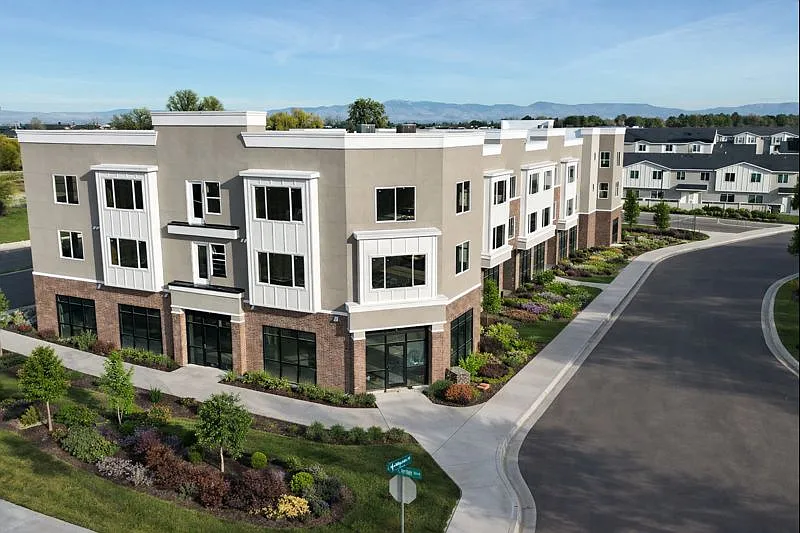
What 30 Years on Both Sides of the Table Looks Like
Most construction consultants have never worked on a job site. We have, and that changes every conversation we have with a developer, a general contractor, or a contractor who thinks they can slide something past us.
30+ Years as Licensed GC And Developer
We didn’t just look at construction from the outside; we built it from the ground up, and 30+ years as a licensed general contractor and developer means we’ve been accountable for budgets, schedules, and results in ways that most consultants never have to be.
5,600+ Residential Units Built
More than 5,600 units of residential, mixed-use, and commercial construction, and what that volume teaches you is that every decision made early in a project plays out on the job site later, which you can only understand by actually finishing the work.
Projects Across 8 States
We’ve worked in a lot of different contractor markets and construction sites in Utah, Idaho, Texas, Arizona, and now Florida. This gives us both local knowledge and a perspective that most consultants don’t have.
Dozens Of Troubled Projects Got Back On Track
We’ve been called in to stabilize projects that were already in trouble because of budget overruns, schedule collapses, and contractor disputes. In over 30 years, we’ve done it enough times to know exactly where things tend to go wrong and how to stop the bleeding quickly.
Most Construction Problems Start Long Before the First Shovel Hits Dirt
Most developers don’t realize the project is already in trouble until they’re deep into construction, and by then the budget is committed, the contractor is on site, and the options are expensive.
The Budget Fiction Problem
More often than developers want to admit, you hire a construction consultant to create a budget and schedule. But the site plan they’re working from was designed without considering the soil conditions, the utility easements, or the stormwater requirements. So the budget is fiction. It looks professional on paper — clean line items, contingency percentages, a polished spreadsheet. But it’s built on assumptions that haven’t been validated against reality.
Then construction begins, and reality sets in. Orders to change, unexpected site conditions, permits that take twice as long to get. And yet, the budget that looked good in the planning meeting is now losing money, and no one noticed because no one linked the construction plan to the land conditions in the first place.
The Padded Bid Blind Spot
Most developers don’t have a background in GC. They can read a bid, but they can’t evaluate one the way someone with 30 years of hands-on construction experience can. The padded line items are hard to see. Here, concrete costs $15 more per cubic yard. There is a 20% markup on electrical rough-in. Mobilization fees that seem normal until you’ve seen 500 other bids and know they’re twice as high as they should be.
If you don’t have an independent construction expert reviewing the bids, you’re trusting the contractor to set fair prices. Most GCs are honest, but their job is to win the bid and make money, not to lower your costs. That’s what your consultant is supposed to do, and what if you don’t have one? Nobody’s watching.
The 'Everything in Isolation' Trap
For a long time, consulting worked in silos. The zoning consultant takes care of permits; the manager of construction is in charge of budgets, the market feasibility is the job of the real estate analyst, and the GC is in charge of carrying out the plan. Everyone delivers their part, and no one asks if all the parts fit together. A zoning decision affects construction costs. If there’s a delay in construction, the terms of your financing will change. A change in the market affects your feasibility model. These problems aren’t separate, and when no one is connecting them, projects fail in the spaces between.
The Cost of Not Checking
Budget overruns rarely happen because of bad luck. They happen because nobody asked the hard questions at the beginning, and by the time problems show up, the money
is already spent. That’s what we’re here to prevent.
Construction Oversight From Someone Who's Actually Built
ILCC’s construction consulting isn’t just theory. It comes from more than 30 years as a general contractor, building more than 5,600 units, and the kind of knowledge you can only get from managing real projects with real money on the line. We review your budgets, schedules, contractors, and quality because we know what a realistic construction plan looks like and what a padded bid smells like.

Cost Estimation & Budget Review
We go through contractor bids line by line, not like accountants checking math, but like builders who know how much things actually cost. We’ve worked with hundreds of general contractors and reviewed thousands of construction budgets, and we can tell when mobilization fees are too high, when concrete prices are too high, and when contingency percentages are off in either direction. You can trust your budget because it has been checked by someone who has built projects at this scale.

Build Schedule Validation
Planning meetings don’t make realistic timelines, experience does. We’ve worked on enough projects to know the difference between a real and an unrealistic schedule. How long does foundation work actually take in Florida’s soil? How long should it take to rough in a project with 50 units? When will you get your certificate of occupancy? We validate your schedule against reality so you don’t find out three months into construction that the timeline was never going to hold.

Quality Control & Site Oversight
We’ve built thousands of units, poured foundations, and run job sites, and when we walk around a site, we’re not just checking things off a list; we’re looking at the work like a builder would. Is the rebar spacing correct? Is the grade going down where it should? It costs a lot less to fix quality problems that come up during construction than it does after the drywall goes up.

GC Vetting & Contractor Management
Finding a good general contractor isn’t just about the lowest bid. It’s important to look at their past work, their financial stability, their ability to bond, and whether their team can actually execute at the level your project needs. We’ve been on both sides of the GC relationship for 30 years, as both the client and the contractor. Because we have both sides of the story, we know what to look for in a GC proposal and what most developers miss.

Distressed Project Recovery
Projects go wrong, contractors don’t do a good job, and surprises in the rules come up. Even experienced developers make mistakes like this. How you respond is what matters. We’ve helped dozens of troubled projects get back on track over the past 30 years. We come in, look at the problem, identify the root causes, and make a plan for how to fix it. Not a quick fix, but a real path forward that accounts for what went wrong and what needs to be done to fix it.
From First Conversation to Project Completion
Every engagement goes the same way, and it works because we don’t skip steps and we don’t just give you a report and leave.
1
Tell Us About Your Project
A conversation is the first step. You tell us about the project, including what you’re building, where you’re building it, how much money you expect to spend, and when you expect to finish it. We ask the questions that help us understand your situation: Have you bought the land yet? Is the zoning confirmed? Do you have a general contractor ready? Are there any issues we should know about? This helps us figure out how much consulting you really need, and where to focus first.
2
We Connect the Pieces Most Consultants Miss
This is where ILCC works differently. We don’t just look at your construction plan; we also look at how it fits with your land, your zoning approvals, your financing timeline, and your market assumptions. Is the budget realistic based on the soil conditions at the site? Does the schedule for construction match the timeline for getting your approval? Are parking requirements going to make you change the design in ways that cost too much? We catch the connections that consultants who work alone miss.
3
We Validate and Protect
Once we know what your project is about, we get to work reviewing contractor bids, checking construction budgets, putting schedules through their paces, and setting quality standards. If something doesn’t add up, you’ll know about it before you lose money. We’ll identify exactly which line items in a contractor’s bid are inflated. If the schedule isn’t realistic, we’ll show you where it breaks down and show you what a realistic timeline looks like.
4
We Stay Involved Through Completion
We don’t just drop off a report and leave. We’re here for you from the idea stage to the certificate of occupancy, monitoring your budget, checking the quality, reviewing change orders, and helping you deal with the surprises that always happen on construction projects. Most consultants see construction as a one-time review. We see it as an ongoing partnership because that’s what actually protects your investment.
Your GC Builds It: We Make Sure It's Worth Building
Before a project starts, one of the most important things a developer can do is make sure they know the difference between a GC and a construction consultant.
What a General Contractor Handles
A good general contractor runs the job site. They coordinate the trades, concrete, framing, electrical, plumbing, HVAC, and finish work. They keep the job site running by managing the work schedule, ordering materials, and doing inspections. They are in charge of building what’s on the plans on time and within budget. That’s a critical role, but it’s not the only thing a developer needs to do.
What a Construction Consultant Adds
A construction consultant works above the execution layer. We evaluate whether the project design makes financial sense before anything gets built. We check that contractor bids are fair and complete. We test budgets against real construction costs, not just what a spreadsheet says. We monitor the GC’s performance and fix problems before they get too expensive. And we also connect the construction plan to the land conditions, zoning requirements, financing terms, and market conditions that will determine if the project will actually work out.
Why Most Developers Need Both
Think of it this way: your GC is the team that executes your project, and your construction consultant is the strategist behind your development. The GC wants to know, “How do we build this?”‘ We ask, “Should we build this? If so, can we do it better, faster, or cheaper?” Most problems with construction don’t come from bad execution; they come from poor planning, budgets that weren’t checked, schedules that weren’t realistic, and dependencies that no one checked. That’s exactly what we focus on.
Construction Consulting in Action
These aren’t hypothetical scenarios. They’re real projects where having the right construction consultant in the room made a difference in the outcome and, in some cases, saved the deal.
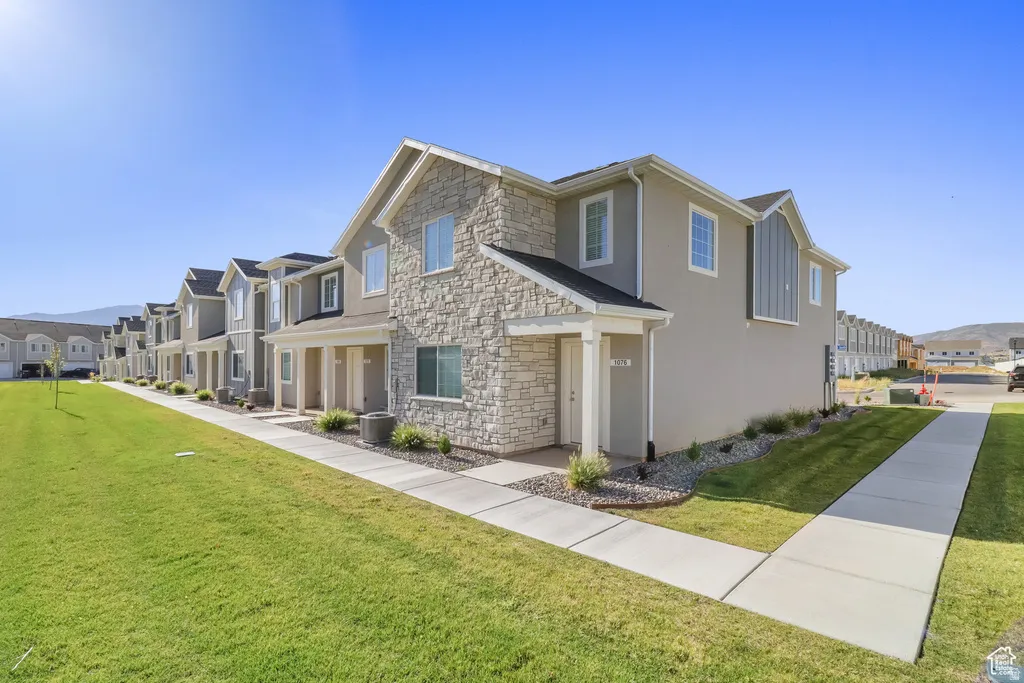
Warehouse Conversion: Dodging A $500K Parking Mistake
A property owner in Parrish, FL, wanted to turn an old furniture warehouse into something new, but the original plan triggered additional parking requirements, which would have meant building a parking structure at a cost north of $500,000. We didn’t want to accept that number, so we looked at the zoning code and found another option: turning the upper floor into storage units, which don’t trigger the same parking requirements. The owner didn’t use the parking structure at all and turned the space into profitable rental units.
This is what happens when construction consulting services and land use strategy work together. A consultant who only worked on construction would have priced in the parking structure. We eliminated the need for it.
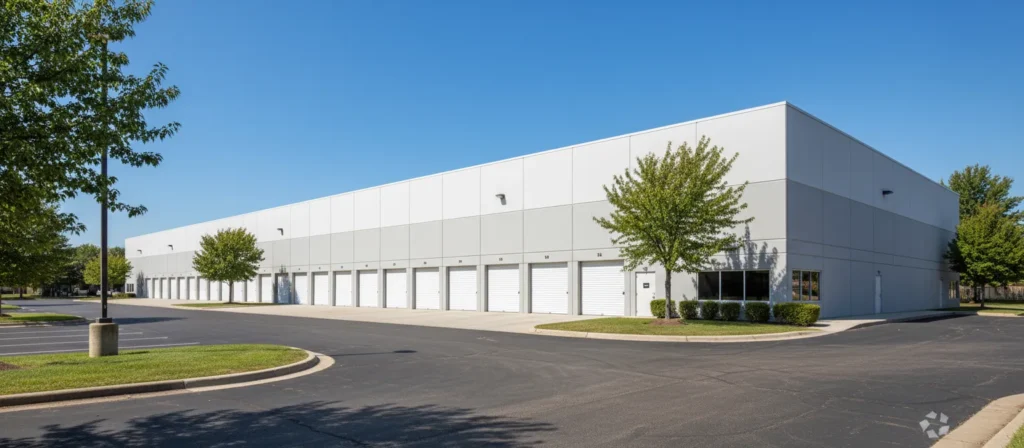
60,000+ Sq Ft Warehouse: Budget & Schedule Oversight
ILCC managed construction on a large commercial warehouse from pre-construction through completion, and that meant validating the original budget against the real costs of materials and labor, checking the construction schedule against realistic timelines for commercial buildings of that size, checking the general contractor’s bids, and monitoring progress at every stage. Someone with 30 years of experience in commercial construction checked the numbers at every step of the project, not just at the start, and the project finished on budget and on schedule.
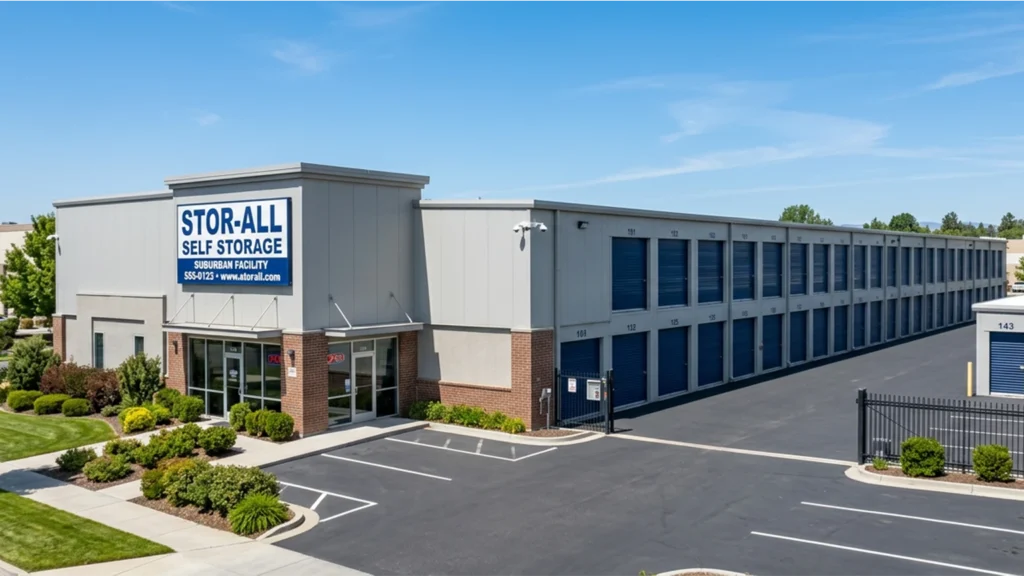
Distressed Project Stabilization: From Stalled to Complete
A construction project was stuck because it was behind schedule, over budget, and in the midst of a dispute with the contractor. The developer needed someone who could come in, assess the situation clearly, and build a realistic plan for getting things back on track. Mike reviewed the construction progress, found out what was causing the delays and cost overruns, restructured the contractor relationship, and developed a completion plan that accounted for the money already spent and the work still to be done.
The project got done. It wasn’t nice, but it got done, and that’s all that matters when you’re dealing with a stalled project, and money is already on the line.
For more than 30 years, we’ve helped dozens of distressed projects get back on track, and what we’ve learned is that the way forward is almost always there; you just need the right experience to see it.
First Project or Fiftieth, We Work the Same Way
The size of the project changes, the stakes are different, but you still need someone to check your work, whether you’re building a custom home or managing a 200-unit development.
Custom Home Buyers Who Want Expert Oversight
You're spending $500K, $1M, maybe $2M+ on a custom home in Sarasota or Bradenton. You're not a builder, you're a doctor, an executive, or a business owner, and you shouldn't have to know what a reasonable construction timeline looks like or if your contractor's bid is fair. That's exactly what a construction consultant is for. A construction consultant reviews the budget, validates the schedule, and makes sure the contractor is doing what they said they would do. Think of it as insurance for the most money you'll ever spend on one property.
Builders Transitioning to Developers
You've been building homes in subdivisions for 10, 15, or 20 years, and you know everything there is to know about construction. But developing from raw land is a different ball game entirely. You now need to understand zoning, entitlements, market feasibility, financing structures, and project economics on top of everything you already know. Mike went through this exact change himself. He went from having no experience building his first house in 1995 to developing over 5,600 units across 8 states, and he knows where first-time developers make mistakes because he made them too, and what choices developers need to make to be successful.
Active Developers Facing Project Challenges
Your project is running behind, or over budget, or the GC isn't doing a good job, maybe the city just threw a regulatory curveball. It happens to experienced developers too, and what matters most is how quickly you respond and who you get to help. We've assessed and stabilized dozens of troubled projects, and we come in without bias. We find the root causes and build a realistic recovery plan. If the project can be saved, we'll show you how, and if it can't, we'll tell you that too.
Go Deeper on Construction Strategy & Development
These resources go beyond the basics, and each one is written from the same place this page is: real construction experience, not theory.
Construction Consulting for Developers: Why Your GC Should Be Your Consultant
Why having in-house GC expertise reduces risks on complex development deals, and a practical look at what construction consulting actually involves and when developers need it the most.
Construction Execution: How Builders De-Risk Development Projects
The builder’s perspective on reducing development risk through strong job site execution, and how having hands-on experience with construction leads to better project results.
Build-to-Suit Development: The Construction Consulting Advantage
How developers with in-house construction consulting expertise are uniquely qualified for build-to-suit deals. Includes case study and competitive differentiation.
What Is an Owner's Representative? Construction Consulting Explained
A role explainer for developers evaluating whether they need an independent owner’s representative for their next project, covering scope, cost, and when to hire one.
Construction Consulting Questions Answered by a Real Builder
These are the questions we hear most before a project gets started, and the answers come from 30 years of actually working through these situations, not from a manual.
When should you hire a construction consultant?
At almost any point in the project. Before construction starts, a consultant checks your budget and schedule to make sure you’re not working with fiction. When choosing a contractor, we check GC bids on our own to identify inflated prices or unrealistic timelines. During construction, we monitor budgets and schedules to catch cost overruns and delays early. And if a project has already gone wrong, behind schedule, over budget, or with contractor disputes, we assess the situation and build a plan to get it back on track. Most developers hire construction consultants at least once. A lot come back regularly.
What does a construction consultant actually do?
Four main things. We review contractor bids and construction budgets to make sure the prices are fair and the numbers add up. We check build schedules against real construction timelines, not optimistic projections. We establish and monitor quality control so that problems are found during construction and not after. We also check out and manage relationships with general contractors, including bid review, contracts, and job site performance. The goal is to protect your capital by making sure the project finishes on time, on budget, and done right.
What's the difference between a GC and a construction consultant?
Different jobs, but they all work together. A general contractor runs the job site, coordinating trades, managing labor and materials, and executing the construction. A construction consultant helps with planning by evaluating if the project makes financial sense, if the bids are fair, if the schedules are realistic, and if the quality standards are being met. Your general contractor asks, “How do we build this?”‘ Your consultant asks, “Should we build this, and is there a better way to do it?” Most developers benefit from both.
How much does it cost to hire a construction consultant?
It depends on how big and complicated the project is. A single-bid review is not the same as full-cycle consulting on a 200-unit development, and we structure every engagement based on what you actually need. The real question isn’t how much consulting costs, but how much it costs to not have expert help. Budget overruns, schedule delays, and contractor disputes are expensive. In most cases, consulting pays for itself many times over. Schedule a consultation and we’ll walk you through exactly what you need and how much it’ll cost.
If my project is already over budget, can a construction consultant help?
Yes, and this is one of the most common reasons to hire one. We assess the situation, identify the root cause, whether that’s a design issue, a contractor underperforming, a market shift, or a regulatory problem, and build a realistic plan for getting things back on track, and then work with all the people involved to make sure the project stays on track. Over 30 years, we’ve saved dozens of troubled projects, and what we’ve learned is that the way forward is almost always there; you just need the right experience to find it.
How is ILCC's construction consulting different from other firms?
Three main things. First, we’ve actually built things. We’ve been a licensed GC/developer for 30+ years and have built more than 5,600 units across 8 states, and that’s not book knowledge, that’s direct accountability for outcomes. Second, we bring together four areas of expertise: land use, construction, overseeing general contractors, and real estate strategy. That means we find connections that other consultants miss, like a zoning decision that changes the cost of building or a market assumption that makes your feasibility model fail. Third, we stay involved from the concept through completion. We don’t just drop off a report and leave.
Do I still need construction consulting if I already have a GC?
Yes. Your GC owns the job site, coordinating trades, materials, schedules, and field quality. Your construction consultant owns the strategy layer, making sure the project design makes financial sense, that contractor bids are fair, that budgets are realistic, and that the construction plan connects to your land conditions, zoning approvals, and financing terms. These roles complement each other. Your GC makes it, your construction consultant makes sure it’s worth building and that it’s being built right.
What areas does ILCC serve for construction consulting?
The main area we serve is Sarasota, Manatee County, and the greater Tampa Bay area. ILCC is based in Bradenton, Florida. Mike has worked in Utah, Idaho, Arizona, Texas, and Florida for 30+ years. We also consult on projects across the country, especially for developers working across multiple markets who need a consultant with experience in more than one jurisdiction.
Stop Losing Money on Projects That Should Have Worked
Most budget overruns and schedule failures aren’t bad luck, they’re the result of nobody checking the work before it was too late, and that’s exactly the problem we solve.
Get Independent Construction Oversight Before It Costs You
Budget overruns and schedule delays aren’t inevitable, but if you have the right construction knowledge, reviewing your project before problems get too expensive, you can avoid them. Schedule a consultation with ILCC and get an honest, clear assessment from someone who has worked on construction sites for 30+ years, not behind a desk.
Book Your Construction Consultation
Fill out the form below, and we’ll be in touch within one business day to schedule your construction consultation.
Prefer to talk directly? Call us or send an email — we respond within 24 hours.
- (941) 254-3144
- mike@integratedlandcc.com
- 1201 6th Ave W, Suite 100/220, Bradenton, FL 34205
By submitting this form you agree to our privacy policy. We’ll never share your information.