
Real Estate Feasibility Studies | Know Before You Build
Thirty years of building have taught me one thing: a bad project on paper is a bad project on the job site. The only difference is how much you’ve already spent by the time you realize it.
Most development projects fail for a reason that seems simple: the numbers never penciled out. A feasibility study tells you if your project is profitable before you spend a dime on design, permitting, or earthwork. At ILCC, we bring 30 years of hands-on development experience to every analysis — after all, the person analyzing your project has already built over 5,600 units, and that changes what shows up on the spreadsheet quite a bit.

Specialist
Feasibility-First
Framework
What Happens When You Ignore the Feasibility Study
The $500,000 Mistake Most Developers Make
You’ve found the perfect plot of land, the zoning looks correct, and the price seems fair. Then you start spending: engineering, architecture, legal fees, permit applications. Six months and $500,000 later, you discover that the project doesn’t pencil, absorption rates don’t support the unit count, impact fees eat your margins, and construction costs exceed your pro forma. Unfortunately, this happens more often than most developers care to admit.
Why "Running the Numbers" Isn't Enough
A rushed calculation tells you what you hope is true; a feasibility study tells you what actually is true. The difference between the two is the chasm between a profitable project and a financial sinkhole. We have even seen experienced developers lose hundreds of thousands, or millions of dollars because they confused optimism with analysis.
The Feasibility-First Approach
ILCC’s Feasibility-First Framework™ prioritizes rigorous financial and market analysis before you commit capital. The logic is simple: it is cheaper to kill a bad project on paper than on the construction site. Every project we accept starts with this question: does the project make financial sense? If the answer isn’t a clear “yes,” we will tell you.
What's Included in an ILCC Feasibility Study
Our feasibility studies go beyond basic pro formas, as we analyze five critical dimensions of project viability, each informed by decades of real-world development experience.
Financial Modeling and Pro Forma Development
We build detailed financial models that account for acquisition costs, construction costs (hard and soft), financing structures, carrying costs, and projected returns. Our models reflect real construction pricing based on 30 years of experience. We also include sensitivity analysis showing how changes in interest rates, material costs, or absorption timelines affect your profit.
Market Analysis and Absorption
Great projects fail in bad markets. We analyze local supply and demand dynamics, comparable projects, absorption rates, and pricing trends. For residential projects, we study household formation, income levels, and competitive inventory. For commercial, we examine tenant demand, lease rates, and vacancy trends.
Construction Cost Estimation
With over 30 years of hands-on experience as a licensed builder across multiple states, Mike brings a level of precision to construction costs that most consultants cannot match. We don’t rely on national databases; we price projects based on real relationships with subcontractors and current material costs in your specific market.
Permitting can add months or years to your timeline and hundreds of thousands to your budget. We evaluate zoning compatibility, required variances, exposure to impact fees, infrastructure requirements, and the political landscape surrounding your approval, mapping out the regulatory path before you commit.
Return on Investment Analysis
Every feasibility study concludes with a clear analysis: IRR (Internal Rate of Return), cash-on-cash returns, equity multiple, and break-even timeline. We model multiple scenarios — conservative, moderate, and aggressive — so you understand the spectrum of possible outcomes.
How the ILCC Feasibility Process Works
1
Discovery Call and Project Briefing
We talk about the land, your vision, budget parameters, and timeline. We ask the questions most consultants don’t ask about your financing structure, exit strategy, and risk tolerance. This call lasts 30-45 minutes and costs nothing.
2
Data Collection and Market Research
We gather the data: comparable sales and leases, cost estimates, regulatory requirements, infrastructure availability, and market absorption data. In Florida, we extract specific impact fee and FEMA flood zone data.
3
Financial Modeling and Analysis
We build the pro forma and run the numbers. This is where our 30 years of experience pays off, and our assumptions reflect the real cost of construction. We model multiple scenarios, stress-test the assumptions, and identify the variables that truly matter.
4
Feasibility Report and Strategy Session
You receive a comprehensive report with our findings and recommendations. We review every number in a strategy session, explain our reasoning, and answer your questions. If the project is viable, we outline the next steps. If it isn’t, we tell you why and often suggest modifications that could change the equation.
Who Should Get a Feasibility Study?
Developers Evaluating New Acquisitions
Validates your assumptions regarding unit count, pricing, costs, and timelines before you sign a contract.
Builders Transitioning to Development
If you build homes for others and want to develop your own projects, the feasibility study is your “training.” It imposes the financial discipline that separates the successful from those who lose money on their first attempt.
Landowners Exploring Potential
Find out if your land supports single-family lots, multi-family units, commercial space, or a combination — and which option maximizes your value.
Investors Needing Third-Party Validation
Banks and equity partners require independent studies. Our studies carry weight because they are based on real operational experience.
Real Projects. Real Numbers. Real Results.
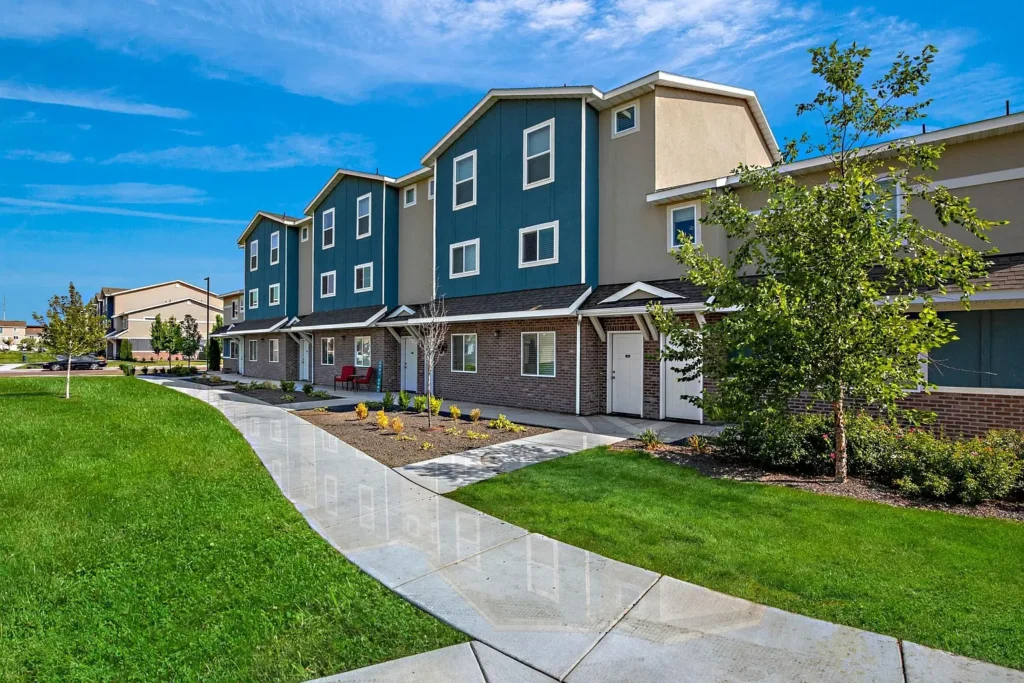
Sandy City: 240-Unit Multifamily Validation
The feasibility study confirmed strong demand and identified two cost-saving opportunities in site preparation that saved the developer over $200,000.
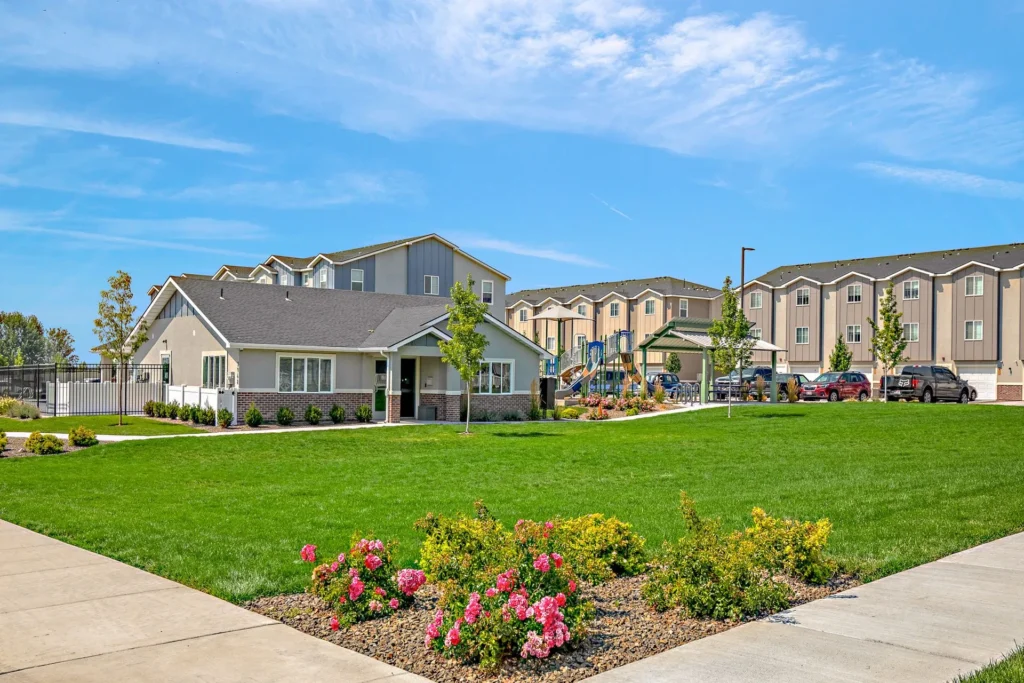
Lakewood Ranch: Environmental Constraints
We identified that wetlands limited the buildable area to 15 acres (instead of 20). We remodeled the feasibility for the reduced size, making the project financially viable.
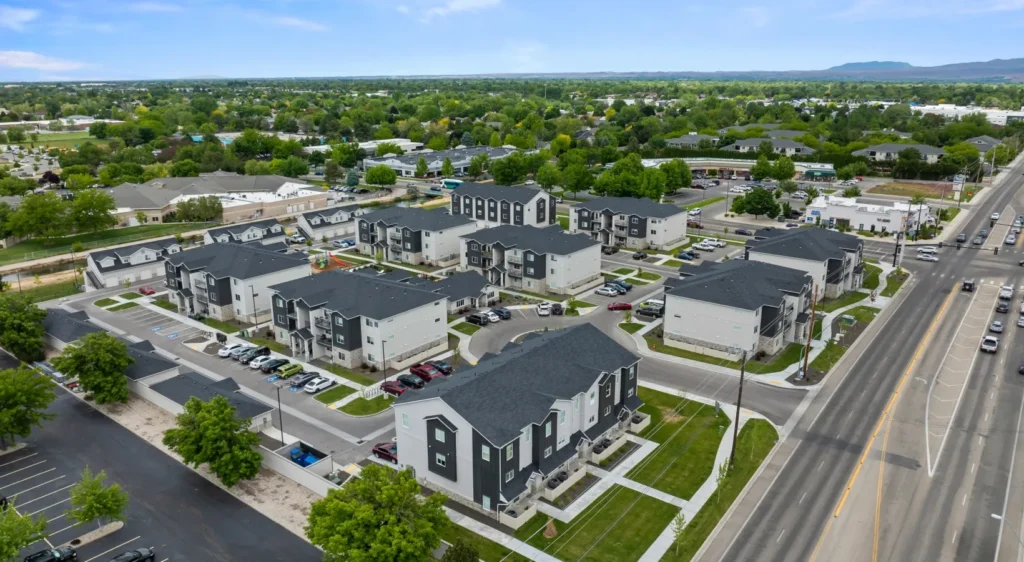
Warehouse-to-Self-Storage Conversion
We created a custom model that addressed structural conversion costs and tenant profiles, confirming the profitability and success of the conversion.
Can You Do a Feasibility Study Yourself?
What a DIY Feasibility Gets You
You can absolutely run your own numbers. Most experienced developers do some version of this on every deal. You pull comps, estimate costs, build a basic pro forma, and make a go/no-go decision. For simple projects where you know the market, the construction type, and the regulatory environment, this works fine.
Where DIY Feasibility Falls Short
DIY analysis breaks down when the project is complex, unfamiliar, or high-stakes. You don’t know what you don’t know, and in development, what you don’t know costs money. We’ve seen developers underestimate impact fees by $1M, miss absorption rate declines that turned profitable projects negative, and assume construction costs from three years ago on today’s projects. The difference between a $5,000 feasibility study and a $500,000 mistake is called due diligence.
When to Hire a Professional
You need professional feasibility analysis when you’re entering a new market, a new asset class, or a project above your historical scale. You also need it when you’re using investor capital: partners and lenders expect independent validation, not your personal spreadsheet. And you need it when the stakes are high enough that being wrong costs more than being sure.
Feasibility Studies for Florida Development Projects
FEMA Flood Zones & Insurance Costs
In Southwest Florida, flood zone classification directly impacts construction costs, insurance premiums, and project feasibility. A property in Zone AE versus Zone X can mean the difference between a viable project and one that doesn’t pencil. Our feasibility studies incorporate FEMA flood zone analysis and model the financial impact of required flood mitigation.
Concurrency Requirements & Impact Fees
Sarasota and Manatee counties have concurrency requirements that mandate infrastructure capacity for new development. Impact fees in these counties can range from $15,000 to $30,000+ per unit for residential projects. We model these costs precisely because we’ve worked with these fee structures across dozens of Florida projects.
Florida Environmental Permitting
Wetlands mitigation, coastal setbacks, and SWFWMD permitting requirements add both cost and timeline to Florida development projects. Our feasibility models account for environmental permitting timelines and mitigation costs, preventing the surprises that derail projects mid-stream.
Related Services & Resources
Land Selection & Due Diligence — Evaluate Your Site
Before feasibility comes site evaluation. Our land selection and due diligence service identifies physical, environmental, and regulatory characteristics of your target property.
Land Entitlement — Navigate Approvals
Once feasibility confirms viability, entitlement is the next phase. We guide your project through zoning, permitting, and government approvals.
Development Management — Build Your Project
From approved plans to completed construction, our development management service keeps your project on budget and on schedule.
For developers who need strategic guidance beyond individual projects, our consulting practice provides ongoing market analysis and portfolio advisory.
Frequently Asked Questions About Feasibility Studies
What is a real estate feasibility study?
It is a comprehensive analysis that determines if a project is financially profitable. It answers the question: “Will this project make money?”
How much does a feasibility study cost?
It depends on the complexity. After the first call where we map out your project, we provide a fixed-fee quote.
How long does a feasibility study take?
Generally 3 to 6 weeks, depending on complexity and data availability.
What's the difference between a feasibility study and due diligence?
Due diligence evaluates whether you should buy the land (physical and legal). Feasibility evaluates whether the project will make a profit (financial modeling). Think of them as sequential steps — due diligence first, feasibility second.
Do I need a feasibility study if I'm an experienced developer?
Even experienced developers benefit from independent analysis, especially when entering new markets, new asset types, or working with investor capital. The value is in having a second set of experienced eyes pressure-testing your assumptions.
What happens if the feasibility study shows the project isn't viable?
Then we’ve saved you money. We don’t just say “no”, we explain why, identify which variables are problematic, and often suggest modifications that could change the outcome.
Does the study help with financing?
Yes. Our reports are structured for banks and equity partners, offering the credibility of someone who has built over 5,600 units.
Ready to Find Out if Your Project Pencils Out?
Schedule a Free Discovery Call
Every engagement starts with a 30-45 minute conversation to understand your goals. No cost, no obligation.
- (941) 254-3144
- mike@integratedlandcc.com
- 1201 6th Ave W, Suite 100/220, Bradenton, FL 34205
By submitting this form you agree to our privacy policy. We’ll never share your information.