
General Contractor Consulting: Hire Right, From Someone Who's Built 5,600+ Units
Stop Gambling on Contractors. Start Vetting Them Like a Builder Would.
Most developers hire a general contractor by collecting three bids, picking the lowest number, signing a contract, and hoping for the best, and the problems start when the contractor is padding change orders, missing deadlines, crews disappearing for weeks, and delivering a finished product that doesn’t match the drawings.
It doesn’t have to work that way. Mike Miller spent 30+ years as a licensed general contractor and developer, managing over 1,200 workers daily and building 5,600+ units across eight states, and he knows what separates a contractor who delivers from one who drains your budget because he’s been both the GC and the client.
ILCC’s general contractor consulting helps you evaluate contractors as a developer would, prepare agreements with language that protects your interests, and manage the contractual relationship to ensure that your project is completed according to schedule and within budget.

GC & Client
Both Sides of the Table
Most Developers Don't Know What They Don't Know About Hiring a GC
Most developers have hired a contractor at some point and learned the hard way. The problem with GCs isn’t dishonesty, it’s that the hiring process is stacked in their favor from the start, and most developers don’t recognize this until the money is already spent.
The Lowest Bid Trap
Here's how the lowest bid trap works: a contractor lowers their price to win your business, then uses change orders to recover the difference. A $2 million project becomes $2.6 million, and you're six months behind schedule, six months you could have spent selling homes instead of waiting on a contractor. You didn't know this would happen when you picked the lowest bid.
It's not that low bids are always bad, sometimes they're genuine. The problem is that most developers don't have the construction background to tell the difference between a competitive bid and a trap, and that's exactly why you need someone who's been on the other side of those proposals.
The Reference Theater Problem
Every contractor has three good references they hand out like business cards, and those references will say nice things regardless of how the project actually went. But they won't tell you about the project that went sideways, the subcontractor dispute that caused four months of delays, or the warranty claim they're still fighting.
A real vetting process doesn't stop at the references a contractor volunteers. You need to look at their insurance history, their bonding capacity, their crew retention rate, and their track record with projects that actually match yours, not just the ones they want you to see.
The Contract That Protects the Wrong Party
Most GC contracts are written by the contractor, or by an attorney who has never managed a construction project. The language looks fine until something goes wrong, and then you find out the change order clause lets the GC bill $90 per hour for administrative oversight, or that the payment schedule front-loads the contractor's profit.
If you haven't personally negotiated a hundred GC contracts, you're not going to catch these things, and by the time your attorney flags them after signing, you're already locked in.
GC Consulting That Starts Before You Sign — Not After Something Goes Wrong
Most contractor problems don’t start on the job site, they start the moment you pick the wrong GC, sign the wrong contract, or skip the vetting steps that would have caught the issues before they cost you money.
Contractor Vetting & Selection
We evaluate general contractors the way a builder evaluates them — not the way an accountant or attorney would. Financial stability matters, sure. But so does crew quality, project-type experience, subcontractor relationships, and how the GC handles problems when nobody’s watching.
Our vetting process goes beyond the standard reference check because we look at bonding capacity, insurance claims history, crew retention rates, and whether the GC has actually completed projects that match yours in scale and complexity, and having personally managed thousands of construction workers, we know what a well-run crew looks like.
The deliverable isn’t a vague recommendation but a structured evaluation of each candidate with specific strengths, weaknesses, and risk factors you need to weigh before making a decision.
Bid Analysis & Comparative Review
Three bids on your desk, one at $1.8M, one at $2.2M, and one at $2.5M, and the answer isn’t automatically the middle one, and it’s definitely not always the lowest, so the real question is which contractor actually understood what you’re building.
We break down each bid line by line, comparing scope inclusions and exclusions, identifying where one contractor assumes owner-furnished materials while another bundles everything, flagging allowances that are unrealistically low because that’s where the change orders come from, and highlighting where one GC is pricing in risk that another is ignoring.
After 30+ years of writing bids, reviewing bids, and watching bids fall apart mid-project, Mike knows where the hidden costs live, and that experience is the difference between picking a number and actually making a decision.
Contract Negotiation & Protection
A GC contract isn’t just legal paperwork, it’s the operating manual for your entire project, and every clause covering payment schedules, change order procedures, completion timelines, warranty terms, lien waivers, insurance requirements, and dispute resolution determines who holds the risk when something goes wrong.
We negotiate contracts from the owner’s side using the knowledge of someone who’s been on the contractor’s side, which means we know which terms a GC will push back on, which ones they’ll accept, where the profit margins hide, and which clauses actually get enforced when things go sideways.
Our goal is a contract that’s fair to both parties, not a document that creates an adversarial relationship from day one, but fair means the owner’s interests are genuinely protected, not just theoretically covered.
On-Site Oversight & Relationship Management
Hiring the right contractor is step one, and keeping them accountable is the entire rest of the project, so we provide on-site oversight that goes beyond clipboard inspections by monitoring budget tracking, verifying timeline adherence, reviewing change order requests, and making sure the work actually matches the scope.
More importantly, we manage the relationship because when disputes arise between the owner and the GC, and they will, you need someone who can speak both languages, and having been the GC getting pushback from an owner and the owner watching a GC underperform, that perspective is what prevents a disagreement from becoming a lawsuit.
How Our GC Consulting Process Works
Every engagement follows the same four steps, and it works because we don’t skip any of them and we don’t hand you a report and walk away.
1
Define Your Project Requirements
We start by getting into the details of your project, scope, budget, timeline expectations, and the quality standards you need to deliver the results you’re after, because this isn’t a quick phone call but a real conversation deep enough to determine what kind of contractor you actually need, not just who you think you can afford.
2
Source, Screen & Evaluate Candidates
We develop a shortlist based on real qualifications, not just who submitted a bid, and each candidate goes through our full vetting process covering financial stability, project history, crew quality, insurance and bonding verification, and a reference check that goes well beyond the three names they gave you.
3
Analyze Bids & Negotiate Contracts
With vetted candidates and bids in hand, we do a line-by-line comparative analysis, present our conclusions with specific recommendations, not just “go with contractor B,” and then negotiate the contract terms to protect your interests before you sign anything.
4
Oversee the Relationship Through Completion
After the contract is signed, we stay involved, monitoring performance against the agreed scope, tracking actual spend against budget, verifying timeline milestones, and stepping in when problems come up, because you get a builder’s perspective on every phase of the project, not just an advisor watching from the sidelines.
Who Needs a General Contractor Consultant?
The project size changes and the stakes are different every time, but the need for someone who knows how to vet and manage a GC doesn’t, and these are the three situations where we add the most value.
Developers Building Their First (or Fifth) Project
You understand real estate and you know the numbers, but you've never managed a GC relationship from the owner's side, or you have and it didn't go well, so you need someone who understands construction from the ground up to help you select the right contractor and hold them accountable, because whether it's your first development or your fifth, the wrong GC can turn a profitable project into a disaster.
You’ve spent years as a contractor or builder, and now you’re developing your own projects, which means you’re the client and not the GC, and that’s a different skill set entirely, so you need a consultant who’s made that same transition and understands the blind spots that builders carry into development, because hiring a contractor when you used to be one creates its own set of biases.
Property Owners Managing Large-Scale Construction
You own the land, you've secured the financing, and now you need a general contractor to execute a build that protects your investment, whether it's a custom home, a multifamily development, a commercial warehouse, or an adaptive reuse project, and you don't have the construction background to evaluate contractors at the level this investment demands, nor should you have to, because that's exactly what we're here for.
How Builder-Level Vetting Changes the Outcome
These aren’t hypothetical scenarios but real projects where the right contractor vetting process changed the outcome, and in some cases saved the deal entirely.

240-Unit Apartment Complex: Selecting a GC for Scale
A multifamily developer needed a contractor capable of managing a 240-unit apartment project from foundation to certificate of occupancy, and the initial bid pool had seven contractors. Once we completed our vetting process, reviewing crew management capacity, multifamily-specific experience, financial stability for a project of this scale, and subcontractor network depth, only two viable candidates remained.
The winning contractor didn’t have the lowest bid, but they had the crew management infrastructure to handle the daily coordination a 240-unit project demands, while the second-lowest bidder had never managed more than 80 units, and that gap in experience would have shown up as delays, not savings.
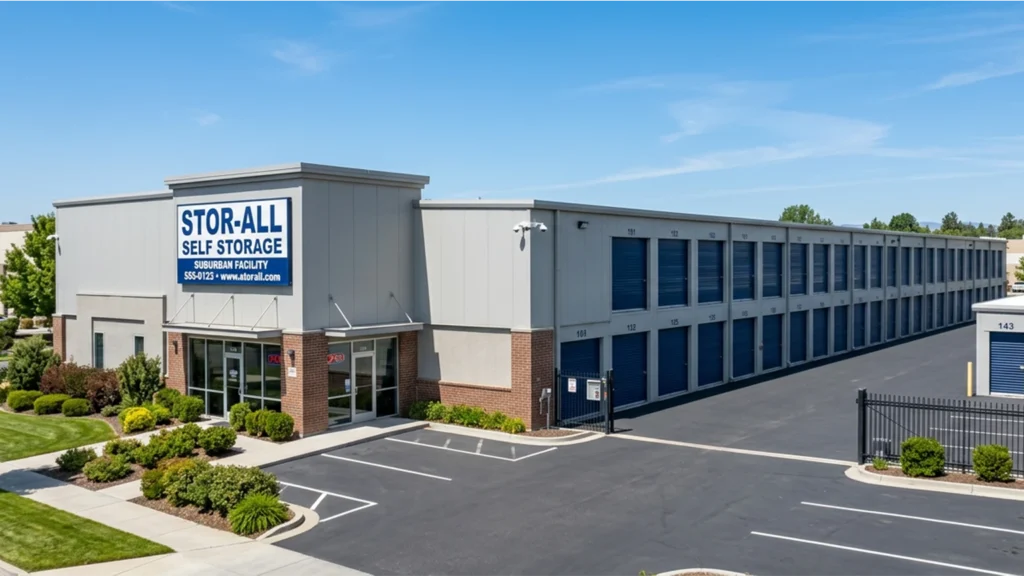
60,000+ Sq Ft Warehouse-to-Storage Conversion — Vetting for Adaptive Reuse
Adaptive reuse projects require a contractor who understands both demolition and new construction and how they interact in the same structure, so for this 60,000+ square foot commercial warehouse being converted to climate-controlled storage, we evaluated contractors on structural modification experience, MEP rerouting, and phased construction.
Our contract negotiation established specific change order thresholds and a phased payment schedule tied to inspection milestones rather than calendar dates, and when the GC encountered unexpected structural conditions during demolition, the contract we’d negotiated controlled the cost impact instead of leaving it open-ended.

Luxury Custom Estates — Contractor Selection for Specialized Craftsmanship
Building a 5,000 to 16,000 square foot custom home is a very different animal than building 200 identical production homes, because you need a contractor with access to specialized subcontractors for high-end finishes, custom millwork, integrated smart home systems, and architectural details that go well beyond a standard spec sheet.
We evaluated each contractor on portfolio quality, subcontractor relationships with specialty trades, and their process for managing client expectations during a build that typically runs 18 to 24 months, and the contractor we selected had built fewer total homes than most candidates but their per-home quality was in a completely different class.
Guides for Developers Navigating the Contractor Relationship
These resources go deeper than the basics, and each one is written from the same place this page is: real construction experience, not theory.
Construction Consulting for Developers: Why Your GC Should Be Your Consultant
This guide breaks down the difference between managing your contractor and consulting on the entire construction process, covering when you need GC-specific consulting versus broader construction oversight.
From GC to Developer: The Builder's Roadmap to Real Estate Development
If you’re a builder making the jump to developing your own projects, this roadmap covers what changes when you move from the contractor’s side of the table to the owner’s.
GC License for Developers: Should You Get One?
Not every developer needs a GC license, and this analysis covers the benefits, the costs, and when it makes sense to get one versus hiring a licensed contractor.
Construction Execution: How Builders Derisk Development Projects
Contractor oversight is one of the biggest risk mitigation levers in development, and this article covers how experienced builders protect their projects during the construction phase.
Common Questions About General Contractor Consulting
These are the questions we hear most before an engagement gets started, and the answers come from 30 years of actually working through these situations on both sides of the contractor-owner relationship.
What is general contractor consulting, and when do I need it?
General contractor consulting is a professional service that helps property owners and developers select, evaluate, negotiate with, and oversee general contractors, and you need it whenever you’re hiring a GC for a project too important to leave to a handshake and a low bid, whether it’s a custom home, a multifamily development, commercial construction, or an adaptive reuse project where the stakes justify expert guidance on the hiring decision.
What's the difference between GC consulting and construction consulting?
GC consulting focuses specifically on the contractor relationship, helping you choose the right GC, negotiate the contract, and manage that relationship, while construction consulting is broader and covers budget development, scheduling, quality control, and overall project oversight regardless of which contractor you’ve hired, so think of GC consulting as the “who do I hire” question and construction consulting as the “how do I manage the build” question.
How does a GC consultant help me choose the right contractor?
We evaluate candidates based on financial stability, project experience relevant to your project, crew quality, bonding capacity, insurance history, subcontractor relationships, and reference depth that goes well beyond the three names they volunteer, and then we present a structured comparison of each candidate with specific strengths, weaknesses, and risk factors so you’re making an informed decision, not a guess.
What questions should I ask a general contractor before hiring them?
Start with experience on projects that match yours in scale and type, then ask about their current workload because an overcommitted GC will underperform, request their crew retention rate since high turnover means management problems, ask how they handle change orders, what their insurance and bonding limits are, and whether they’ll provide lien waivers, and then ask for references beyond their curated list and actually call them.
How much does general contractor consulting cost?
It depends on the scope and complexity of the project and the level of involvement you need, because some clients only need vetting and bid analysis for a one-time engagement while others want full oversight from contractor selection through project completion, and we structure our fees so the cost is proportional to the risk we’re helping you manage since in most cases the savings from better contractor selection and contract negotiation far exceed the consulting investment.
Can a GC consultant help negotiate my construction contract?
Absolutely, and it’s one of the highest-value parts of what we do, because we review contract language with the knowledge of someone who’s written contracts from the GC’s side, negotiating payment schedules, change order protocols, completion timelines, warranty terms, and dispute resolution clauses with the goal of a contract that’s fair to both parties but genuinely protects the owner’s financial interests.
What's the difference between an owner's representative and a GC consultant?
An owner’s representative typically covers the entire project scope from design coordination through final inspection, while a GC consultant is specifically focused on the contractor relationship, selecting, hiring, negotiating with, and overseeing the GC, and although there’s overlap especially during the construction phase, some clients need both and others need one or the other depending on where their project stands.
What red flags should I watch for when evaluating a general contractor?
High crew turnover, vague or overly optimistic cost and schedule proposals, missing or inadequate insurance, reluctance to provide bonding, poor reference depth, underbidding your project compared to other contractors, and an unclear change order process are all warning signs, and if a GC can’t clearly explain how they handle unexpected site conditions and cost overruns before you’ve signed a contract, that’s your biggest red flag.
Ready to Hire the Right General Contractor?
The contractor you hire determines whether your project comes in on budget, on schedule, and at the quality you’re paying for, so don’t make that decision without someone who’s been on both sides of that relationship.
Get a Builder's Perspective Before You Sign
The general contractor you select is responsible for ensuring your project meets your expectations on cost, timing, and quality, and there’s no better way to evaluate whether you’ve found the right GC than to get the perspective of someone who has been both the owner and the contractor.
Whether you need help vetting candidates, analyzing bids, negotiating a contract, or providing oversight during construction, we’ll give you the unfiltered perspective of a builder who’s done this across 60+ projects and 5,600+ units.
Book Your GC Consulting Session
- (941) 254-3144
- mike@integratedlandcc.com
- 1201 6th Ave W, Suite 100/220, Bradenton, FL 34205
By submitting this form you agree to our privacy policy. We’ll never share your information.