
Who Protects Your Capital When Construction Starts? That's Where We Come In.
Navigate rezoning, zoning changes, and permitting with a developer who has entitled thousands of units.
Entitlement is the moment when most development projects either move forward or stall. Rezoning changes, rezoning applications, comprehensive plan amendments, variance requests, and conditional use permits are not just paperwork. They are political processes that require strategy, relationship management, and a deep knowledge of how specific jurisdictions actually work. At ILCC, we navigate entitlement processes in Manatee and Sarasota counties with over 30 years of development experience. We know the rules, as well as the decision-makers, the obstacles, and how to position your project for approval.
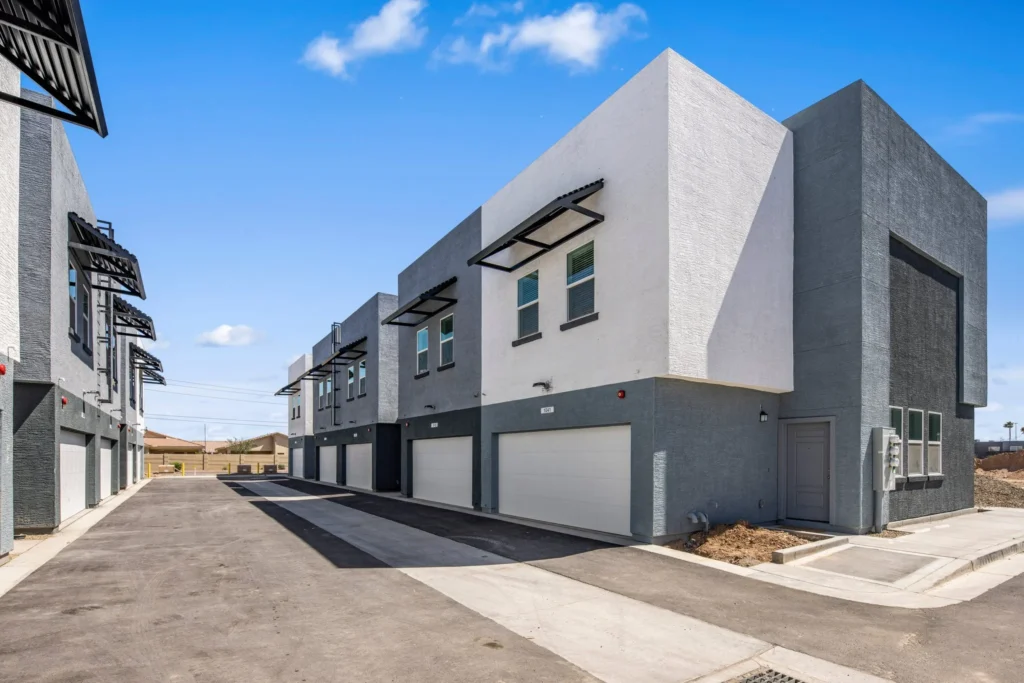
Specialist
in Manatee and Sarasota Counties
Government
Relations Navigators
What Is Land Entitlement?
The definition most developers overlook
Land entitlement is the process of obtaining governmental approvals that authorize a specific use and intensity of development on a property. It answers this question: "Does the local government allow what I want to build on this land?" Entitlement is not just zoning; it is the regulatory authorization process to go from "I own this land" to "I can legally build this project."
Why land entitlement matters
A property might be in a residential zone, but that does not mean you can build a 200-unit apartment complex there. Zoning establishes the ground rules, but entitlement is the permission. If your project requires rezoning, a variance, a conditional use permit, or modifications to the comprehensive plan, you are in the entitlement process and skipping this step or miscalculating its cost and timeline can cause your entire project to collapse.
What is actually at stake
Entitlement decisions affect your density, number of units, height, setbacks, parking requirements, impact fee obligations, and the timeline to get your project to "shovel-ready" approval. A single entitlement decision can cost from $50,000 to $500,000 and take 6 to 18 months. That is why the entitlement strategy must be handled early, with an advisor who understands both the regulatory path and the financial impact.
Why Entitlement Is Difficult (And Why Most Developers Underestimate It)
The political landscape changes constantly
Approval processes in Manatee and Sarasota counties are not just technical exercises; they are political exercises. A comprehensive plan amendment that passes one year might fail the next if the county leadership changes, and even a zoning variance that was approved easily in Sandy City could spark organized opposition in Lakewood Ranch. Mike's 30+ years of experience have taught him that the success of an entitlement depends on understanding the "political wind" at the moment you present your project, not just the rules written in the code.
Regulatory complexity is layered
Development in Florida requires compliance with multiple simultaneous regulatory frameworks: county comprehensive plans, local zoning codes, Florida Statutes (especially Chapter 163 Growth Management Act), DEP (Department of Environmental Protection) regulations, SWFWMD permitting, impact fee ordinances, infrastructure requirements, and sometimes special districts. One mistake in one of these areas can generate unexpected requirements that were not budgeted for.
"NIMBY" (Not In My Back Yard) opposition is real
"Not in my backyard" is the most predictable obstacle in entitlement. Neighbors organize, attend public hearings, and hire attorneys. If your project increases density, traffic, or the perceived impact in an established residential area, you will face opposition. We have seen solid projects derailed because the applicant did not anticipate neighbor resistance and did not prepare a community relations strategy in advance.
Timeline uncertainty creates financial risk
Entitlement applications rarely end on schedule. Completeness reviews delay submission by 3 to 6 months, hearings are postponed, and planning boards require additional studies. Neighbors ask for more time to organize opposition, and a project that should have been approved 18 months ago is still waiting. Every month of delay increases carrying costs, financing costs, and the risk that construction budgets will expire before approval is granted.
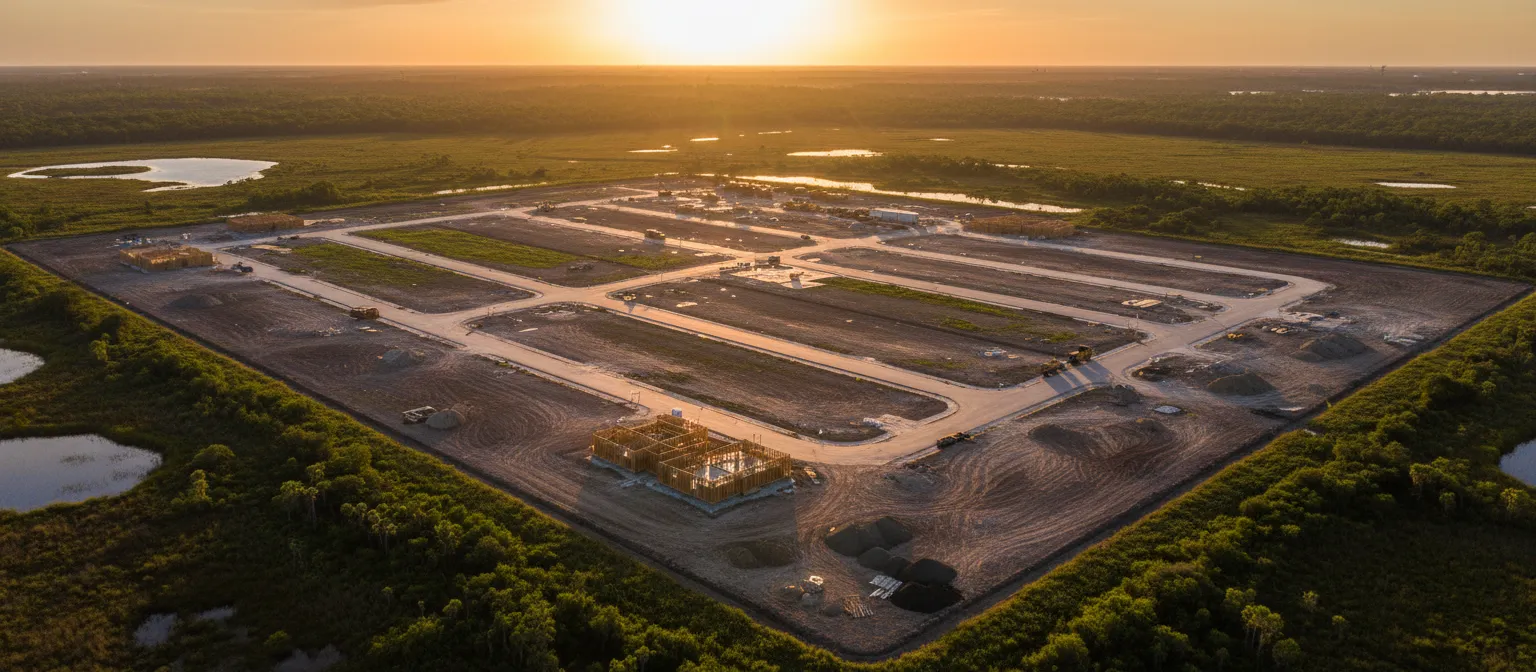
How We Navigate the Entitlement Maze
1
Site Analysis and Entitlement Audit
We audit the land: current zoning, comprehensive plan designation, environmental constraints, infrastructure availability, impact fee exposure, and approval history.
2
Zoning Strategy and Regulatory Roadmap
We map the strategy with the following goal: does the project fit current zoning or does it need a change? Based on this, we model the costs, timelines, and political risks of each route.
3
Pre-Application Engagement with Government
Before applying formally, we work with the planning team to understand their concerns and get informal feedback, which avoids months of delays.
4
Public Hearing Preparation and Community Strategy
We prepare presentation materials, anticipate opposition arguments, and coach clients for testimonies, often engaging community leaders before the hearing.
5
Approval and Condition Management
Once approval is granted, it often comes with conditions (road improvements, design standards). We negotiate modifications where appropriate and manage compliance to ensure nothing silently inflates costs.
Menu of Entitlement Services
Rezoning Applications
Changing the land classification (e.g., from Commercial to Residential Multifamily).
Comprehensive Plan Amendments
When zoning alone is not enough and a change in the county’s land use designation is required.
Site Plan Approvals
Confirmation that the layout meets setback, parking, landscaping, and other codes.
PUD/PD Applications (Planned Unit Development)
Flexibility in exchange for community benefits (green areas, affordable units).
Variance Requests
Relief from specific code requirements when strict compliance is impractical.
Conditional Use Permits
Special permission for specific uses (e.g., outdoor storage).
Development Agreements
Binding contracts between the developer and local government that lock in approval conditions and infrastructure commitments.
Real Projects. Real Entitlements. Real Results.
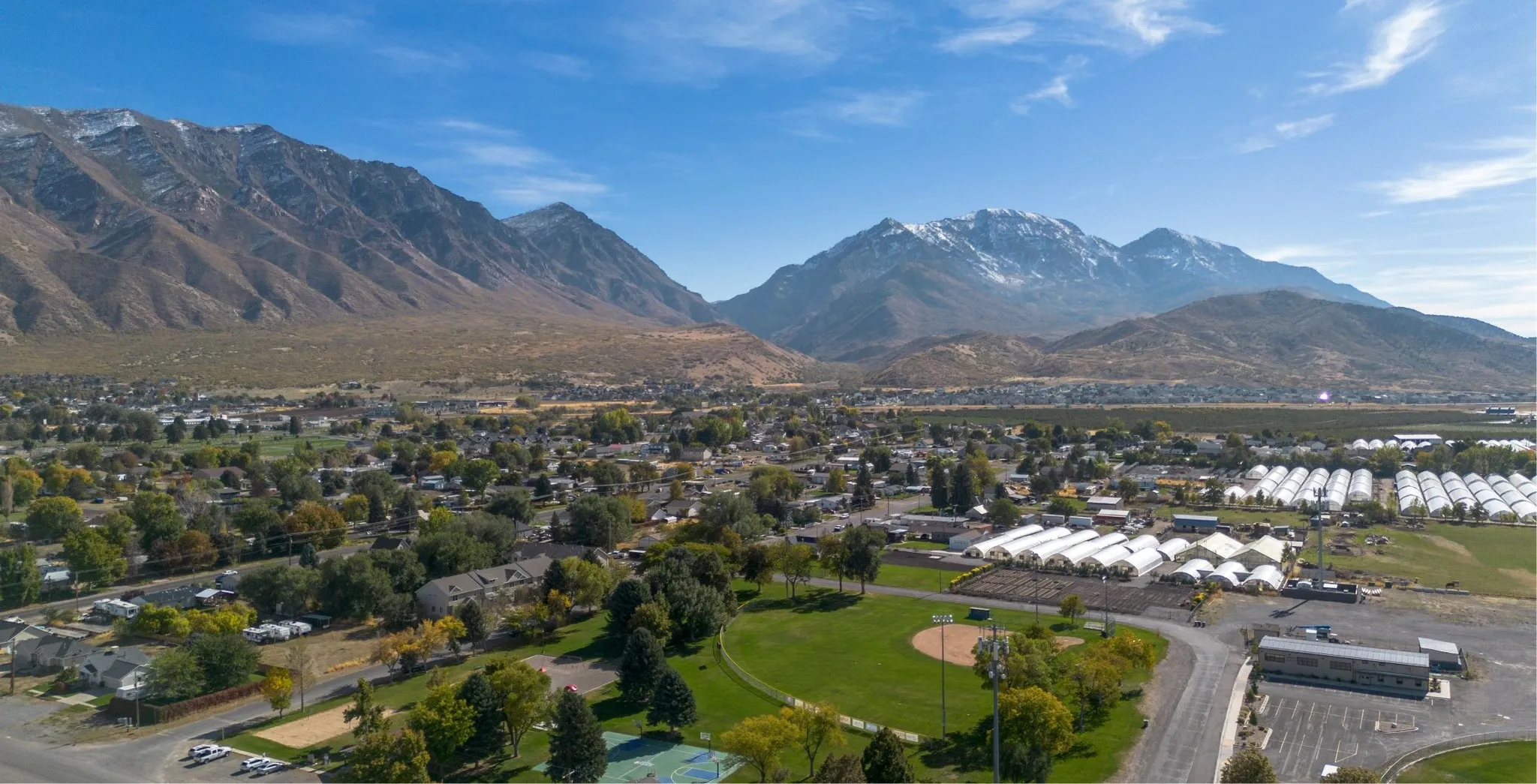
Sandy City: 240-Unit Multifamily Rezoning
A developer identified a 12-acre parcel in Sandy City zoned as Commercial, believing it could support a 240-unit apartment complex. Local code allowed only 50 units in commercial zoning, and our entitlement analysis identified that a Commercial-to-Residential Multifamily rezoning was feasible. Market demand was strong and infrastructure supported the density, so we prepared the rezoning application, coordinated with planning staff, identified and engaged neighborhood stakeholders early, and prepared for the hearing. The rezoning approval was granted with support from both the planning board and the city council. As a result, the project was built and achieved stabilized occupancy; however, had there been no entitlement strategy, the developer would have either abandoned the project or wasted months on an unviable design.
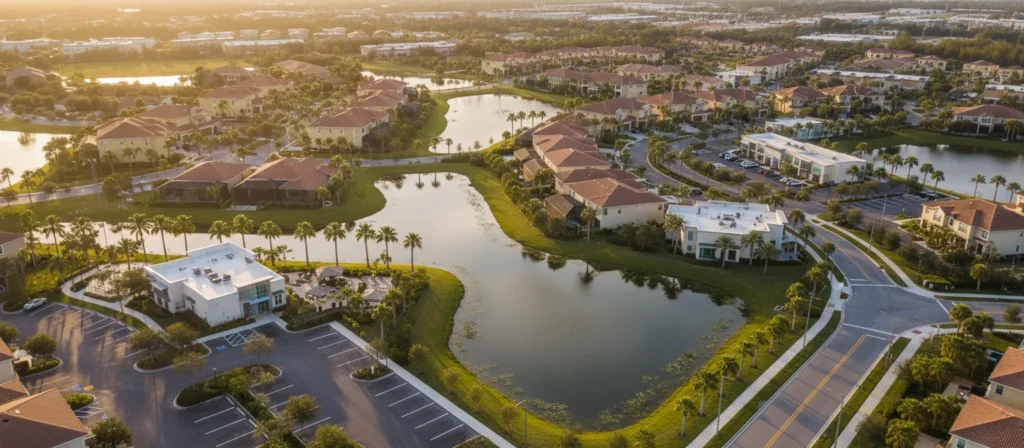
Lakewood Ranch: Environmental Constraints and Creative Entitlement
A property owner in Lakewood Ranch had 30 acres zoned as residential, but environmental wetlands and SWFWMD permitting requirements limited the buildable area. Initial assumptions projected 150 units, but our environmental and entitlement analysis revealed that the buildable area could support only 90 units under strict environmental regulations. Instead of abandoning the project, we identified a PUD (Planned Unit Development) strategy that allowed for density bonuses in exchange for wetland mitigation and conservation easements. The PUD approval increased the density to 120 units while satisfying environmental requirements, and creative entitlement transformed a project the owner considered financially unviable into a profitable development.
Downtown Rezoning: Commercial to Mixed-Use Conversion
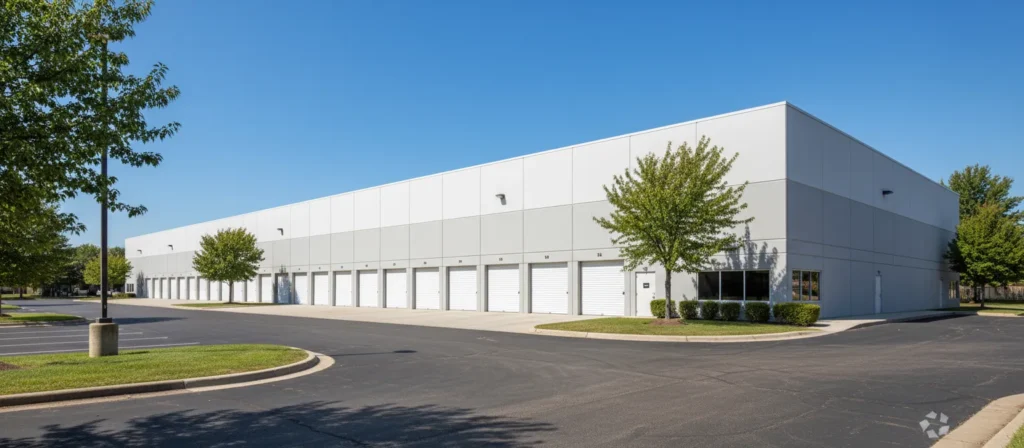
An investor acquired a 2-acre parcel downtown zoned as commercial office. The best use was a mixed-use development with retail on the ground floor and residential on the upper floors. Current zoning did not allow residential on the site, so we identified that a targeted rezoning to Commercial Mixed-Use would be politically palatable to the city as it supported residential infill downtown. We coordinated extensively with city planning, addressed parking and public space concerns early, and prepared community engagement materials. The rezoning was approved by the planning board and the city council, and the mixed-use project was built and became a landmark downtown development.
Who Should Hire ILCC for Entitlement Services
Developers Entering New Jurisdictions
If you have built successfully in Texas or Georgia and are entering Florida for the first time, you are operating "blind" because Florida's regulatory framework is different from other states. The politics of Manatee and Sarasota counties are unique, and therefore, hiring an entitlement consultant with relationships in local government saves months and tens of thousands of dollars in redesign costs.
Builders Transitioning to Development
If you have built homes for other developers and are ready to take on your own projects, you likely lack experience with entitlement processes. Builders focus on construction; developers must master entitlement strategy. We help builders make this transition by managing the regulatory side while you focus on construction quality and financial performance.
Landowners Exploring Development Options
You own a parcel and want to know what you can build on it, but before investing in master plans or feasibility studies, you need to understand what entitlements are possible. Is your property zoned correctly for your vision? Will rezoning be feasible? How long would entitlement take? An entitlement audit answers these questions and shapes your entire development strategy.
Investors Needing Entitlement Risk Assessment
Institutional investors and senior lenders increasingly require clarity on entitlements before committing capital. They want to know what approvals are required, what the timeline looks like, and what the political risk is. Our entitlement assessments carry weight because they come from someone with 30 years of real-world experience in development and regulatory navigation.
Why Entitlement in Florida Is a "Different Animal"
Manatee County vs. Sarasota County: Different Processes, Same Challenges
Manatee and Sarasota counties have different comprehensive plans, approval processes, and political dynamics. Manatee is expanding growth from the coast toward the interior, while Sarasota is managing slower growth and higher environmental sensitivity. What is approvable in Manatee might face environmental opposition in Sarasota, so it is important to have guidance from someone who understands the nuances of both counties and knows where approvals are quick versus where they require political work.
Concurrency Requirements
Florida law requires that public infrastructure be available to serve new development. Before your entitlement approval clears, Manatee or Sarasota must confirm that capacity exists in schools, roads, wastewater, and stormwater systems. "Concurrency" can be a hidden entitlement cost; therefore, we assess concurrency early and identify the necessary infrastructure improvements.
DRI Thresholds and Regional Impact Reviews
Large projects in Florida trigger a Development of Regional Impact (DRI) review, a multi-agency analysis that can delay projects by 12 to 18 months. DRI thresholds are complex and depend on project type, county, and regional factors. We determine if your project meets the DRI threshold and help you navigate the regional review process if necessary.
Community Development Districts
Many projects in Manatee and Sarasota create Community Development Districts (CDDs) to finance infrastructure improvements. CDDs are self-financing mechanisms but require governance structures, bond issuance, and public understanding. For this reason, we provide advisory services on CDD structure and management.
Impact Fee Negotiations
Florida allows for the collection of impact fees on new developments to fund public infrastructure improvements. Fees can range from $10,000 to $50,000 or more per unit, depending on project type and location. Given this, we analyze these fee calculations, identify modifying circumstances, and sometimes negotiate reductions or deferrals.
Entitlement Works Best With Our Integrated Service Model
Land Selection and Due Diligence
Start with due diligence to assess whether a parcel is viable for development. Understanding entitlement requirements early informs your land evaluation and purchase negotiation.
Feasibility Studies
Once zoning is clarified, a feasibility study confirms financial viability, as entitlement decisions regarding density, unit count, and requirements directly affect the assumptions in the feasibility model.
Development Management
After entitlements are secured, development management handles the construction, manages contractor relationships, and brings the entitled project to completion.
Land Use Consulting
For broader land use strategy and zoning analysis at an advisory level, we offer specialized land use consulting services.
Frequently Asked Questions
What is the difference between zoning and entitlement?
Zoning is the current classification (e.g., Commercial). Entitlement is the process of obtaining governmental permission to develop at a specific density or use.
How long does it take?
Administrative approvals (2 to 4 months); Legislative approvals like rezoning (4 to 12 months); Complex projects (12 to 18 months).
How much does it cost?
It varies from $15,000 (simple administrative) to $150,000 or more (complex rezonings). We provide estimates after the initial consultation.
What if my rezoning request is denied?
The project does not end; it is redesigned to fit the current zoning or we try again after changes in the political landscape. For this reason, we evaluate the risk of denial in advance.
Start With a Free Entitlement Consultation
Schedule a Discovery Call
We will audit your project, identify the requirements, evaluate timelines and costs, and outline a strategy. No commitment, no sales pitch. Just an honest assessment from someone with 30 years of experience.
Prefer to Send Project Details First?
Send us the location, proposed use, and any existing plans or zoning information. We will review and call you with our preliminary thoughts.
- (941) 254-3144
- mike@integratedlandcc.com
- 1201 6th Ave W, Suite 100/220, Bradenton, FL 34205
By submitting this form you agree to our privacy policy. We’ll never share your information.