
Real Estate Consulting: Market Strategy & Investment Guidance From a 30-Year Developer
Development decisions shouldn’t be made solely based on a spreadsheet. Get a builder’s perspective.
Most real estate consultants are from the finance, brokerage, or academic fields. They can create a financial model to predict your return. But they have never poured a foundation, managed a 240-unit construction project, or lost $2 million in a market crash and rebuilt from scratch.
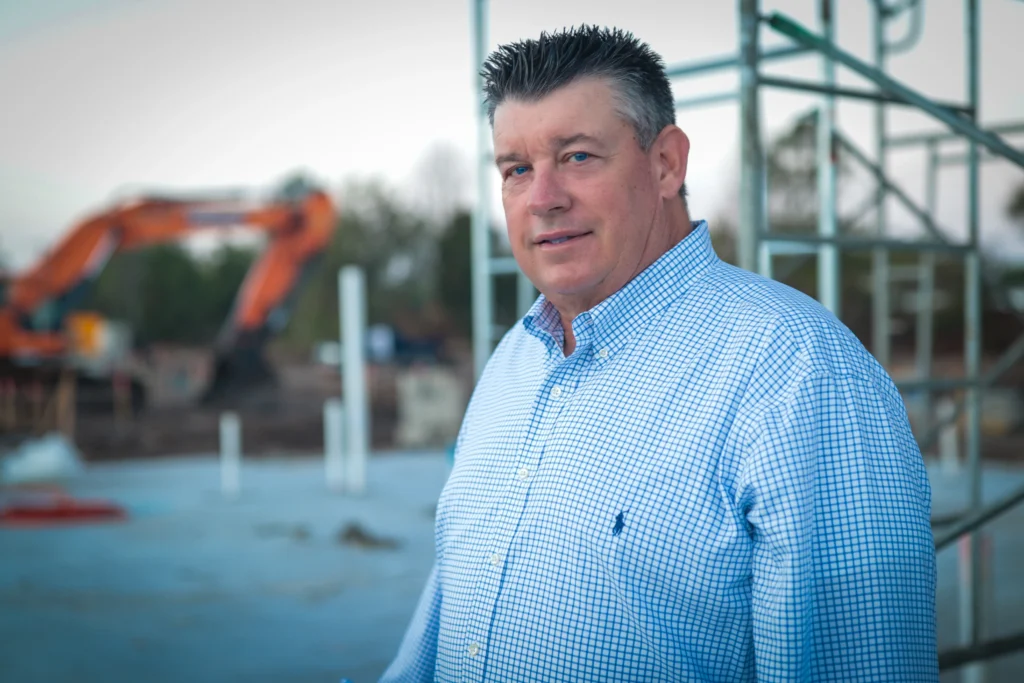
Mike Miller has. As a licensed general contractor and developer for over 30 years, he’s built 5,600+ residential and commercial units across eight different states, managed a 3,500-unit rental portfolio, and navigated every market cycle since 1995. That experience is the foundation of ILCC’s real estate consulting, which includes real estate market analysis, real estate investment strategy, and development guidance grounded in what actually happens on the ground, not just what looks good in a pro forma.
Survived 2008
Rebuilt Stronger
GC
Builder – Developer – Consultant
The Problem With Most Real Estate Consulting
Most real estate consultants specialize in one part of the puzzle, and the problem is that development doesn’t operate in parts, so by the time you find out the parts don’t match together, you have already spent the money.
The Spreadsheet-Only Advisor
You hired a consultant who can create a beautiful financial model where every cell is linked, the IRR looks great, and the cap rate assumptions are clear, but the model assumes construction costs don’t exist in the real market, a timeline that ignores permitting delays, and a rent schedule based on comps from a completely different submarket.
Financial models are tools, and powerful ones, but they’re only as good as the assumptions behind them, and assumptions require experience. If your consultant has never managed a build, they don’t know that the cost per square foot they plugged in doesn’t account for site conditions, material volatility, or the contractor markup that always shows up mid-project.
The Brokerage Consultant Problem
Brokers are skilled at closing transactions because they find properties, negotiate terms, and close on the transaction. But the incentives for brokers reward speed rather than strategic planning. A broker earns compensation when the transaction closes, regardless of the performance of the transaction over the subsequent five years.
Real estate consulting should begin with a strategic plan, which means asking whether this is the right market for this particular transaction, whether this is the right property type for this specific economic cycle, and whether the development path is viable given current entitlement timelines and construction costs, and those are questions that don’t generate commissions so they often don’t get asked.
The Siloed Expert Trap
You’ve got an entitlement consultant for zoning, a financial analyst for the pro-forma, a construction manager for the build, and a property manager for operations. So, you have four separate companies providing four separate areas of expertise, with four separate views and four separate invoices, and none of the experts are communicating with one another.
Development is linear, and every phase affects the next. If your entitlement consultant doesn’t understand construction costs, then your zoning strategy might add $500,000 to your build. If your financial analyst has no experience managing projects during a recessionary period, their risk assumptions are theoretical. Having all of the experts involved in the process isn’t a luxury, it’s the way to ensure that you don’t encounter costly surprises.

Real Estate Consulting Built on 30 Years of Actually Doing the Work
Most of our clients have worked with consultants who knew the theory but never actually built anything, and that gap between knowing and doing is where development projects fall short.
Real Estate Market Analysis & Opportunity Evaluation
Before you commit capital, you need to know whether there’s a demand for the type of properties you are planning to build in the current real estate market. We evaluate the demand for specific property types, review demographics and economic trends that may affect the project, assess the competitive landscape, and help you time your entry.
Our Market Analysis isn’t a generic report downloaded from an online data service, it’s built on 30 years of evaluating market conditions across eight states, identifying when a submarket is heating up, when it’s oversaturated, and when the numbers look good on paper but the fundamentals don’t support the timeline. We’ve made market entry decisions on projects ranging from single-family lots to as large as 240-unit apartment complexes, and the framework is the same regardless of scale.
The result is a clear recommendation: this opportunity makes sense and here’s why, or it doesn’t and here’s what would need to change. We don’t deliver ambiguous responses, we provide direct responses based on real market conditions.
Investment Strategy & Due Diligence
While finding attractive investment opportunities is part of developing an effective strategy, it’s also important to identify those opportunities that should be avoided. We help investors and developers build a decision framework: deal evaluation criteria, ROI analysis, cap rate assessment, cash flow projections, and risk profiling based on actual market conditions.
For acquisitions, we coordinate due diligence, property evaluation, title research, environmental pre-screening, coordination with vendors, and assistance in formulating an offer strategy. We’ve reviewed many acquisition opportunities that initially appeared to be viable based on the listing information, but ultimately failed to materialize as intended, and conversely, reviewed numerous acquisition opportunities that at first glance didn’t appear to be viable but turned into the best investments in a portfolio.
The difference between a good investment opportunity and a bad one usually isn’t the property, it’s the assumptions. That’s why we test every assumption against our experience of 30 years, including the 2008 crash that reduced the value of our own portfolio by $2 million. Risk management isn’t something we preach, it’s something we’ve learned the hard way.
Builder-to-Developer Transition Consulting
You’ve spent years building homes or managing construction crews, and now you want to develop your own projects, buy the land, design the product, raise the capital, and own the ultimate outcome. Transitioning from a builder to a developer can be one of the most satisfying transitions a builder can make, and also one of the riskiest if you don’t understand what changes.
Mike made this exact transition. In 1995, he began building custom homes with his wife, then they scaled to 50 employees and 1,200 daily workers, built across eight states, and later managed a 3,500-unit rental portfolio before selling and transitioning to consulting. The transition from a builder to a developer requires different capital sourcing, different risk management, different partnership structures, and different operational infrastructure.
We help builders navigate that transition with a real roadmap, not theory from a consultant who read about development in a book. This roadmap includes: first project selection, financing options, such as conventional, mezzanine and bridge, capital raising strategies, team building, and operational scaling, and every recommendation comes from someone who’s lived the exact journey you’re about to start.
From First Conversation to Clear Development Direction
All of our engagements begin the same way, that is, a conversation where we figure out where you are, what you need, and which engagement makes most sense for you.
1
Discovery Call: Understand Your Position
We start by identifying your current position: your level of experience, your financial situation, your market, your goals, and your timeframe. This isn’t a sales pitch; it’s a diagnostic conversation. Some clients require full scope consulting, while others only need a focused market analysis or a second opinion on a deal. We determine which engagement is best suited for you.
2
Market & Deal Analysis
Based on your goals, we analyze the market, the specific opportunity, or both. A market analysis covers demand, competition, timing, and risk. A deal analysis includes financial viability, construction feasibility, regulatory path, and exit strategy. We present our conclusions in plain language, not a 50-page report you’ll never read.
3
Strategy Recommendation
We’ll provide a definitive recommendation, proceed, modify, or pass, along with the reasons behind our conclusion. If we recommend proceeding, we detail the next steps, potential partners, the financial requirements necessary to complete the project, and the estimated completion date. If we recommend that you don’t proceed, we will detail what changes would be required to make the project viable.
4
Ongoing Advisory or Handoff
Some clients will implement our recommendations and move forward on their own, while others want ILCC involved throughout the feasibility phase, entitlement process, contractor selection, and construction. We can adjust our involvement from a one-time consultation to include ongoing development advisory services through ILCC’s complementary services, including feasibility studies, land use consulting, construction consulting, and development management.
Who Benefits Most From Real Estate Development Consulting?
The size of the project and the level of experience change, but the need for independent strategy doesn’t, and these are the three situations where we add the most value.
Builders Ready to Develop Their Own Projects
You’ve spent years building for others, and now you want to control all aspects of development, acquisition, design, financing, and the final product. But development has a different risk profile, different capital requirements, and a different skill set than construction. You need a consultant who’s made this exact transition and can show you where the blind spots are.
Coming Soon
Investors Evaluating Real Estate Opportunities
You have capital to invest and are considering real estate development as an investment vehicle, or you’re already in the market and want a second opinion on a specific deal or partnership. Whether it’s your first investment property, a multifamily syndication, or a commercial project, you need a market analysis and investment strategy based on actual development experience, not speculation, not sales pitches, but a realistic assessment from someone who’s put their own money at risk.
Coming Soon
Landowners Exploring Development Potential
You own vacant land or a parcel with development potential, but you’re not sure what it’s worth as a development project. Should you sell to a developer, partner with one, or develop it yourself? What’s the market demand? What does zoning allow? What would it cost to build? These aren’t questions your real estate agent can answer with the depth you need. We evaluate the development potential of your property from every angle, market, regulatory, financial, and construction.
Coming Soon
What 30 Years of Development Experience Looks Like in Practice
The size of the project and the level of experience change, but the need for independent strategy doesn’t, and these are the three situations where we add the most value.
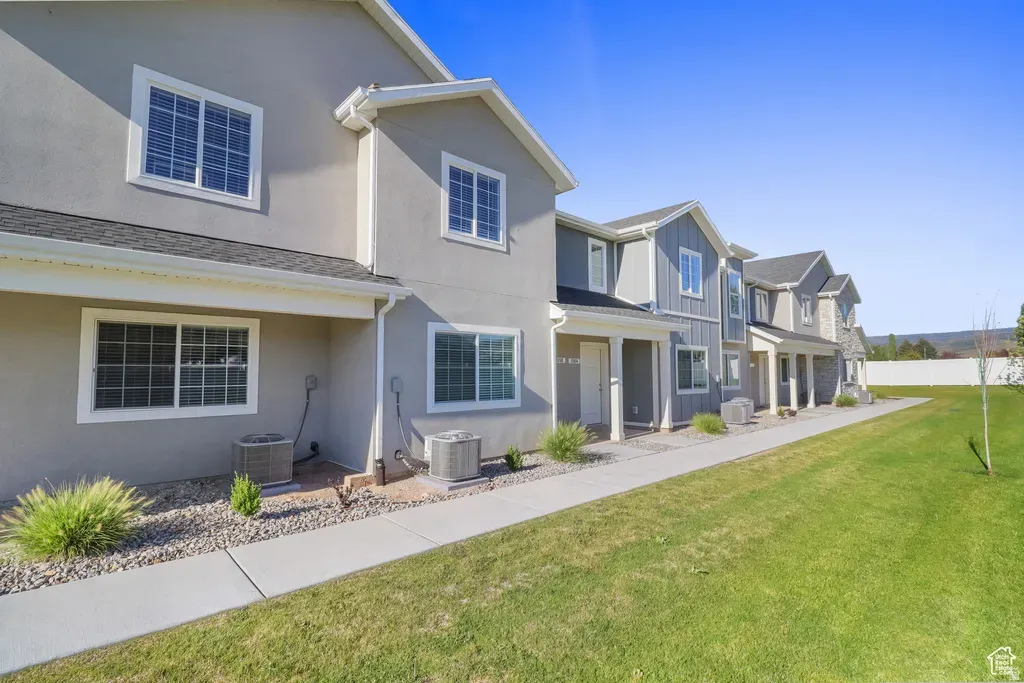
240-Unit Apartment Complex — Market Analysis to Certificate of Occupancy
A multifamily opportunity in a growing suburban market. The initial question was simple: Does this market support 240 rental units? The answer required extensive analysis, population growth trends, employment base stability, the competitive inventory pipeline, achievable rent levels, and the absorption timeline. The financial model only mattered after the market analysis confirmed demand.
From there, the project required entitlements, contractor selection for a build of this scale, and construction oversight across a multi-phase timeline. The integrated consulting approach, from market strategy through construction execution, meant every phase informed the next. No handoffs, no gaps, one team from opportunity evaluation to completed project
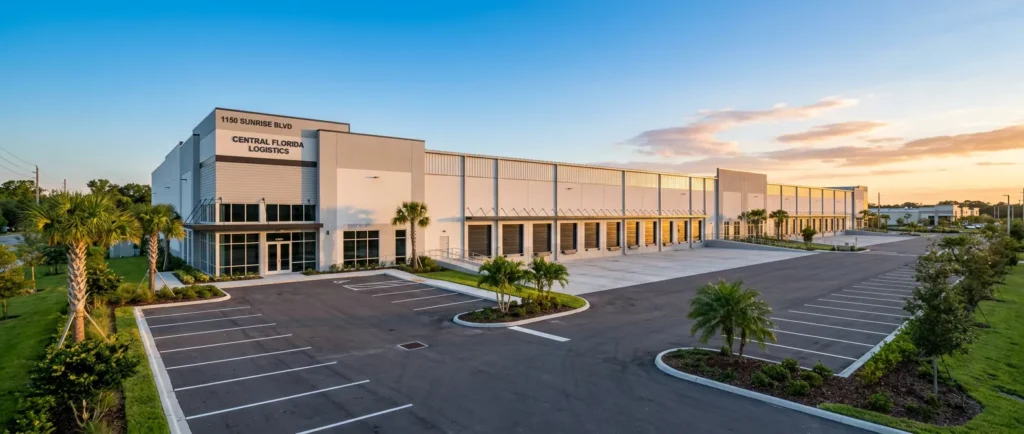
60,000+ Sq Ft Warehouse Conversion: Finding Value Where Others Saw a Warehouse
Not every development project starts with vacant land. This one started with an underperforming commercial warehouse, 60,000+ square feet of outdated industrial space in a market where demand had shifted. The question wasn’t “should we renovate the warehouse?” but rather “what’s the highest and best use for this asset in this market?”
Market analysis identified strong demand for climate-controlled storage, a use the existing structure could accommodate with targeted modifications. The feasibility assessment confirmed the conversion cost a fraction of new construction. The strategy: reposition an undervalued asset, convert to higher-value use, and capture demand with a cost advantage over competitors, building from scratch.
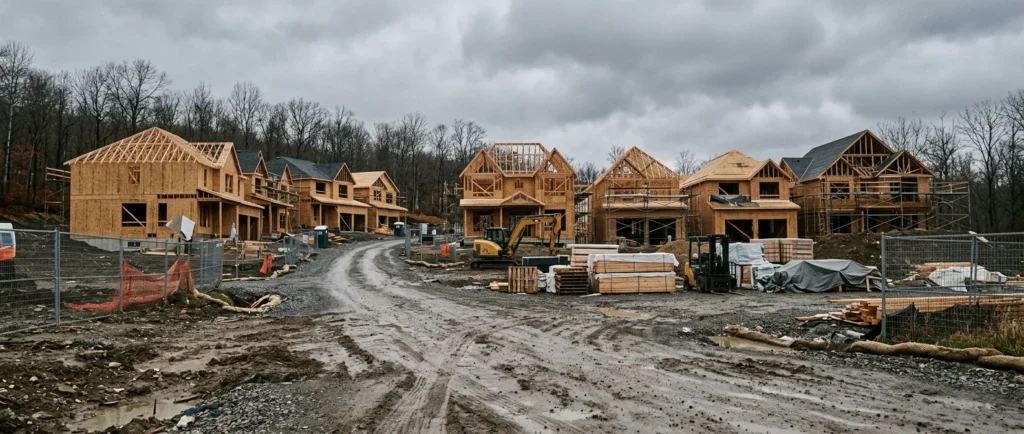
Surviving 2008 — The Risk Management Lesson That Informs Everything We Do
Our portfolio lost about $2 million in 2008. We were carrying inventory in markets that collapsed overnight. Buyers disappeared and financing dried up. Projects that were profitable on paper became liabilities in reality.
We pivoted to entry-level homes and rental acquisitions. We stayed in business when hundreds of builders and developers didn’t, and eventually scaled to 3,500 managed units before selling the portfolio in 2021. That experience shapes every piece of advice we give today. When we stress-test your assumptions, we’re not being conservative for sport. We want to make sure your project survives a bad quarter, a rate hike, or a demand shift, because we’ve lived through all three.
Guides for Developers, Investors & Builders
These resources go deeper than the basics, and each one is written from the same place this page is: real development experience, not theory.
How to Become a Real Estate Developer: The 30-Year Professional's Roadmap
A step-by-step guide from builder to GC to developer based on Mike Miller’s actual career path, covering capital raising, first project selection, team building, and scaling strategies.
Coming Soon
Real Estate Syndication 101: Structure, Strategy & Investor Relations
Understanding syndication as a capital-raising tool for development projects, covering 506(b) vs. 506(c), investor relations, and when syndication makes sense for your project.
Coming Soon
Real Estate Development Process: From Acquisition to Delivery
A complete walkthrough of the development lifecycle from identifying opportunity through construction completion and stabilization, seven phases with real-world timelines.
Coming Soon
Real Estate Market Analysis: How Developers Evaluate Opportunity
The framework experienced developers use to evaluate market demand, competitive positioning, and entry timing before committing capital.
Coming Soon
Common Questions About Real Estate Development Consulting
These are the questions we hear most before an engagement gets started, and the answers come from 30 years of actually working through these situations, not from a manual.
What is real estate development consulting, and when do I need it?
Real estate development consulting helps property owners, investors, and builders navigate the process from identifying an opportunity to executing on it. You need it when you’re evaluating a land purchase, planning a major project, transitioning from building to development, raising capital, or validating financial assumptions. It’s the strategic layer that sits above any individual service like feasibility, entitlements, or construction management.
How is real estate consulting different from feasibility studies?
Real estate consulting is the broader strategic view, should you pursue this opportunity, where is your market position, and what is your development roadmap. Feasibility studies are a specific deliverable within that strategy, they validate the numbers after the direction is set. We often start with consulting to answer “is this a good opportunity?” and then move into feasibility studies to answer “what are the exact numbers?” Strategy first, numbers second.
Can you help me transition from builder to developer?
Yes, and it’s one of our core specialties. Mike Miller made this exact transition over 30 years, starting with custom homes and scaling to a 3,500-unit rental portfolio. The builder-to-developer path requires different capital sourcing, different risk management, different partnerships, and different operational infrastructure. We provide a real roadmap based on lived experience, not theory.
Do you work with individual investors or only large developers?
Both. Our smallest clients are single-property investors, and our largest have managed portfolios of thousands of units. The analytical framework scales, and whether you’re buying your first investment property or planning a 240-unit apartment complex, the principles don’t change with scale.
How much does real estate development consulting cost?
It depends on the scope. A targeted market analysis or deal evaluation is a different investment than a comprehensive development strategy with a financing roadmap and team-building guidance. We structure fees to match what you actually need, hourly consulting, project-based engagements, or ongoing advisory retainers, and after our initial conversation we’ll provide a specific scope and fee proposal.
What makes ILCC different from other real estate consultants?
Most consultants come from finance, brokerage, or academia. We come from construction. Mike has spent 30+ years as a licensed general contractor and developer, actually building projects, managing contractors, navigating entitlements, and surviving market crashes. That practitioner background means our advice is grounded in what actually happens during development, not what should happen theoretically, and no other consultant in the Florida market offers this combination of hands-on building experience and strategic advisory.
What's the typical timeline for a consulting engagement?
Quick evaluations like a market analysis or deal assessment typically take one to four weeks. Comprehensive consulting, including full development strategy, financing roadmap, and team building guidance, usually runs six to twelve weeks. Ongoing advisory relationships are month-to-month, and we’ll give you a realistic timeline after understanding your specific situation.
Ready to Make a Smarter Development Decision?
Most developers wait too long to bring in outside perspective, and by the time they do, the expensive mistakes are already made.
Get Strategy Grounded in 5,600+ Units of Experience
Whether you’re evaluating your first deal, making the transition from builder to developer, or validating an investment strategy, we’ll give you our honest perspective as someone who has been the builder, the general contractor, the developer, and the property manager. 30 years of experience applied to your specific situation.
No generic advice, no theoretical models. Just real development consulting from someone who has actually done the work.
Book Your Real Estate Consulting Session
- (941) 254-3144
- mike@integratedlandcc.com
- 1201 6th Ave W, Suite 100/220, Bradenton, FL 34205
By submitting this form you agree to our privacy policy. We’ll never share your information.