
Real Estate Development and Construction Consulting for Florida Developers
We started with one house and zero experience. 5,600 units later, I know where projects go to die, and more importantly, I know how to save yours.
Most consultants master only one part of the puzzle. Some will navigate your development rights but fall silent when construction costs arise; others will handle your financials without ever having managed a job site.
Mike Miller has spent over 30 years as a builder, developer, general contractor, and property manager, personally overseeing more than 5,600 units across five states. When you work with ILCC, you are speaking with someone who has been exactly where you are right now.
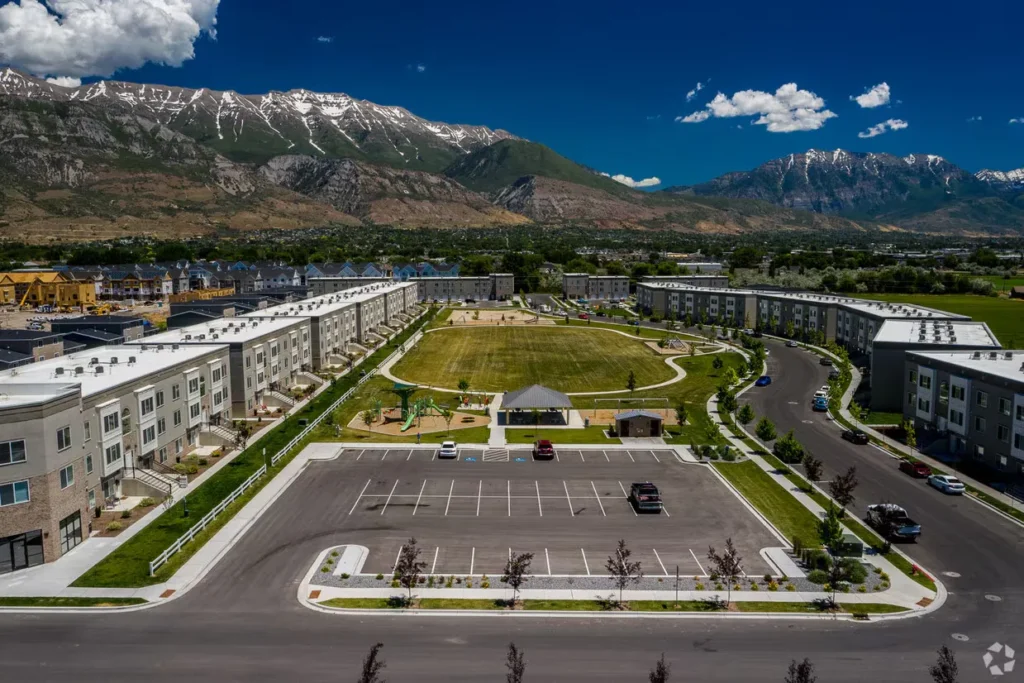
The biggest risk in development is what you don't yet know you need to ask.
The Details No One Flagged Early Enough
Why Working with a Narrow Specialist Leaves You Exposed
The development world is full of people who are excellent at one single thing: development rights specialists who have never built a foundation, financial modelers who have never walked an active job site, or land surveyors who can measure your plot precisely but can’t tell you what makes sense to build on it. Each gives you a piece of the picture, but no one is holding the whole, and that is where projects usually derail: a series of decisions made based on advice that doesn’t look at the process as a whole, and that never accounted for what happens next.
What Honest Consulting Actually Looks Like
Mike will tell you when a project isn’t worth pursuing, with no assumptions, because he acts based on the experience of his entire career. If the land cost doesn’t support the density, if parking requirements destroy your pro forma, or if the city council has a consistent track record of blocking exactly what you’re proposing, you will hear it clearly. This kind of honesty tends to save clients much more than any feasibility study ever could.
The average cost of a missed zoning requirement: $150,000+
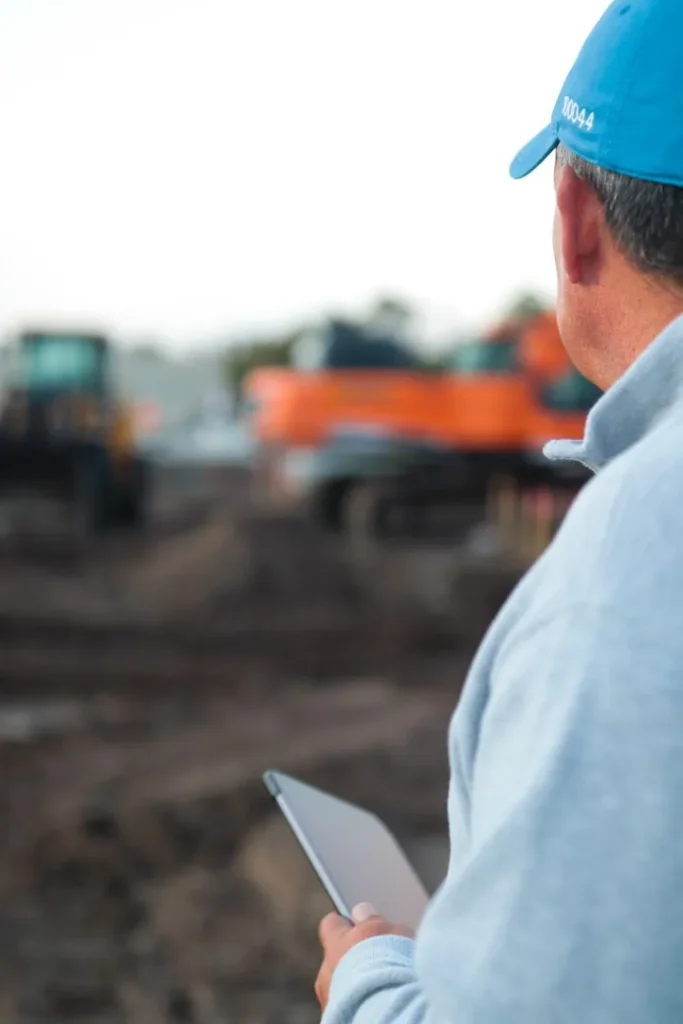
Whether You Are Building Your First Home or Your Fiftieth Project
The clients who get the most out of working with ILCC tend to fit into one of three situations, though the common thread is almost always the same: they are about to commit serious capital to something they haven’t fully done before.
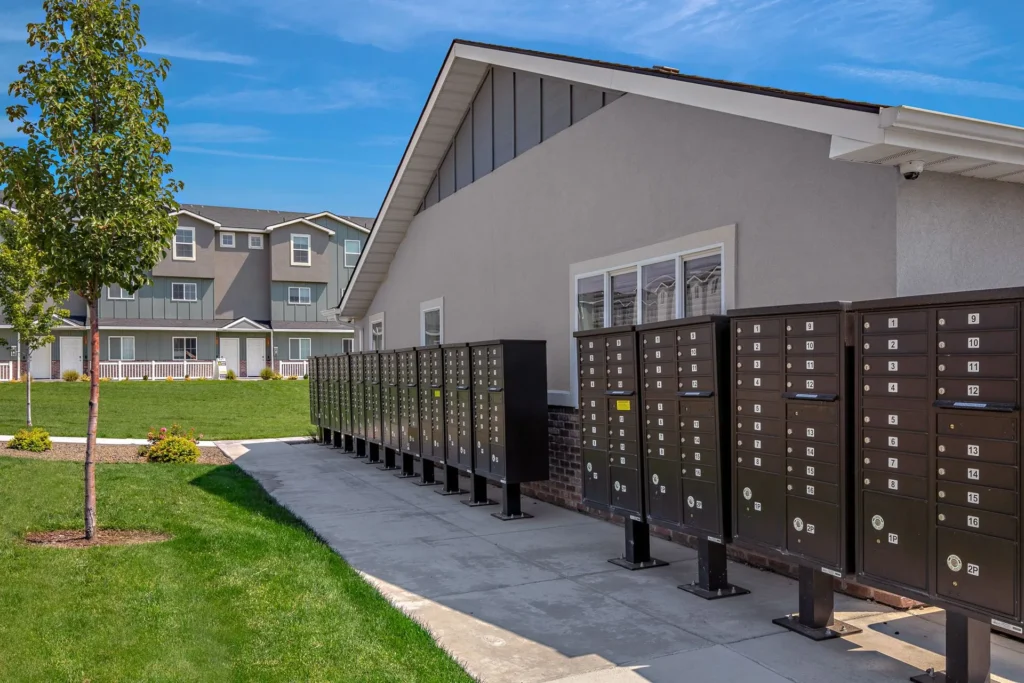
The Details No One Flagged Early Enough
You have the lot, the budget, and a clear picture of the house you want—nothing like the cookie-cutter builds down the street—but navigating lot combinations, FEMA codes, setback requirements, and city council approvals is a totally different skill set. Mike has built luxury single-family homes ranging from 5,000 to 16,000 square feet, and he knows precisely where first-time custom builders get tripped up. He will guide you on what is realistic, what isn’t, and what you probably haven’t thought of yet.
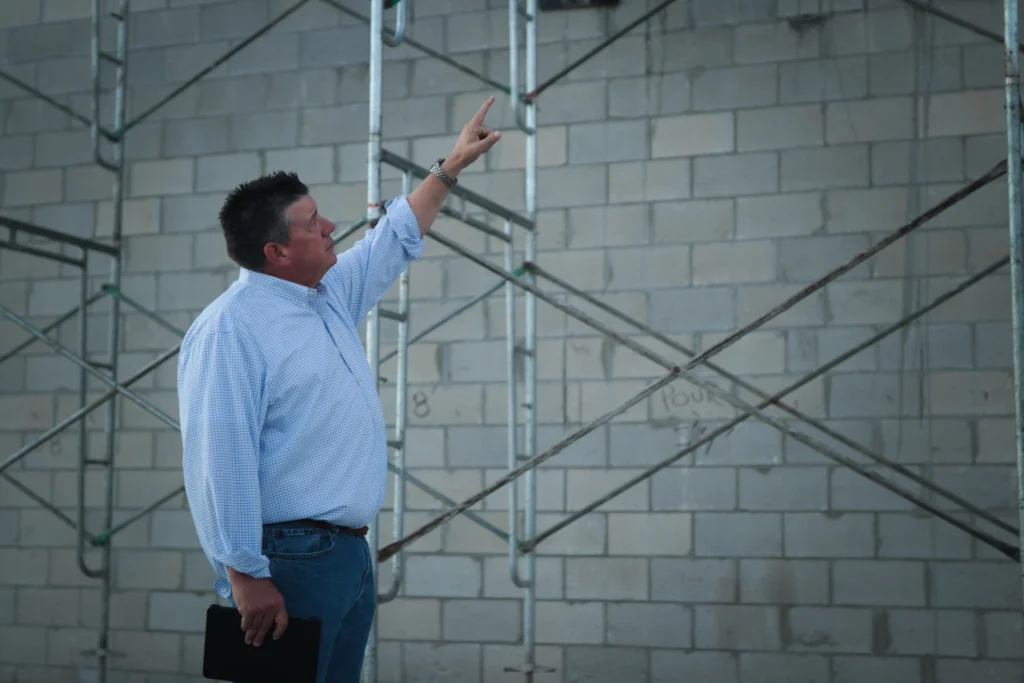
Builders Ready to Become Developers
You’ve been building for other people long enough; you have the capital, the skills, and the drive to develop your own projects. But most experienced builders have never touched development outside of working within someone else’s subdivision. The leap from contract builder to builder-developer is exactly the career trajectory Mike followed, starting with a single house in 1995 and eventually scaling to over 5,600 units. With all his experience, he will give you the framework to evaluate land, navigate development rights, and make decisions that protect your investment at every stage.
Landowners Who Know Their Land Is Worth More
You are sitting on a piece of land—maybe in Lakewood Ranch, maybe inherited, maybe a speculative purchase from a few years ago—and you have the feeling it’s worth more than it’s currently valued at, but you aren’t sure if commercial, multifamily, or single-family development is the right path. Mike can evaluate a parcel and advise on feasibility, density, parking restrictions, and the clearest path to maximum value, whether that means developing it yourself or creating a titled vision plan that commands a premium from builders.
Consulting and Services Covering the Entire Development Lifecycle
ILCC’s work spans two distinct prongs: high-level consulting engagements where Mike provides strategic guidance and evaluation, and tactical execution services for clients who need specific deliverables. Here is what each covers:
Land Use Consulting
Zoning analysis, development rights strategy, and site feasibility for Florida developers. We help you understand what you can actually build on a given parcel, and what the city will realistically approve.
Construction Consulting
Budget oversight, schedule management, and quality control from someone who has personally managed over 1,200 workers on active job sites. Covers both residential and commercial.
General Contractor (GC) Consulting
Over 30 years as a licensed GC/developer translates directly into better contracts, tighter subcontractor oversight, and site accountability that most clients never have access to.
Real Estate Development Consulting
Full-spectrum development advice covering acquisitions, feasibility, market analysis, and project strategy backed by over 5,600 units of practical results across five states.
Land Selection & Due Diligence
Environmental, zoning, utility, and market analysis before you commit a single dollar. We do the homework that protects your investment before it’s made.
Feasibility Studies
Market demand modeling, regulatory risk assessment, and construction cost analysis so you know if your project actually pencils out before starting the build.
Development Rights (Entitlements)
Permitting, variances, and government hearings navigated by a consultant who has been in those rooms hundreds of times and knows what makes the difference.
Development Management
End-to-end project oversight from concept to Certificate of Occupancy, involving scheduling, budgets, contractor coordination, and city communication.
What Really Separates ILCC from the Rest of the Consulting Market
It all comes down to one thing: most consultants studied the development process, whereas Mike has lived every phase of it, and when your capital is on the line, that difference is everything.
The Typical Consulting Experience
Covers only one phase of the project, leaving you to find someone else for the next. Delivers a report and steps away: implementation becomes your problem. Based on textbook knowledge and limited field time. Can estimate costs in theory but hasn’t managed real construction budgets. Avoids firm opinions with disclaimers instead of giving you a straight answer.
The Details No One Flagged Early Enough
A consultant who has worked as a builder, developer, GC, and property manager: all phases covered, no hand-offs. Stays engaged from land evaluation through project completion. Over 30 years of on-the-ground experience means he knows real costs, realistic timelines, and where projects actually break. A GC license earned and maintained for decades means construction knowledge that comes from doing the work, not studying it. If a project isn’t worth pursuing, you will hear it clearly before you have wasted a dollar finding out the hard way.
What Honest Consulting Actually Looks Like
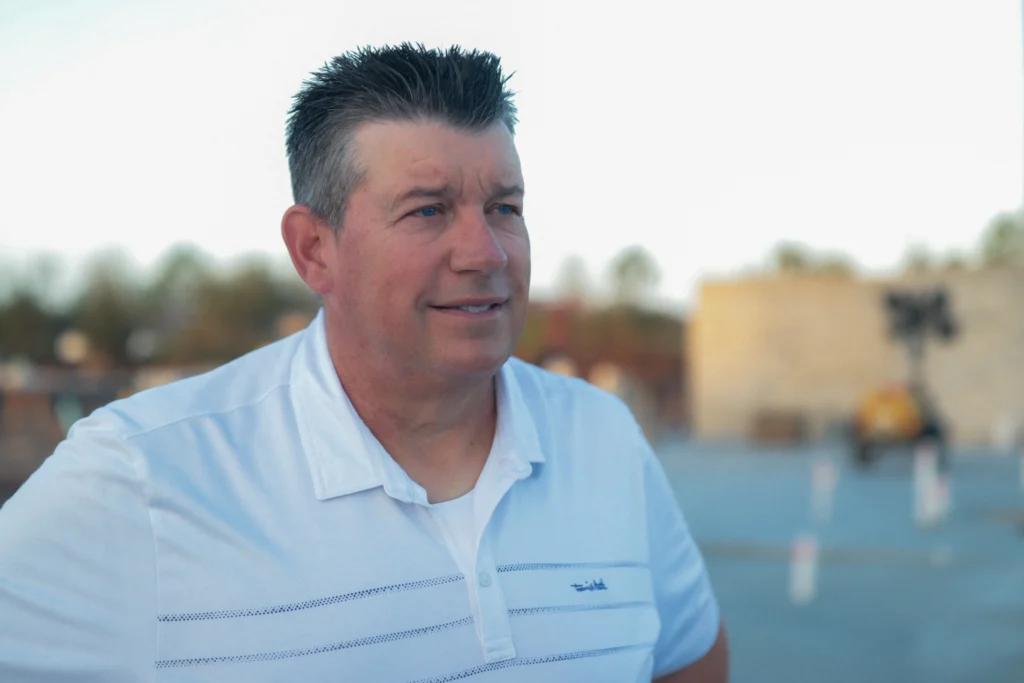
Mike started in this business hands-on, building a house with his wife in 1995 with no prior experience and no degree, making every mistake available to him, and then doing it all over again. That house turned into a career spanning single-family and multifamily development, commercial construction, a general contractor’s license, a company that grew to 50 employees overseeing 1,200 workers daily, and a property management portfolio of 3,500 units that he built from scratch and sold in 2021.
Importantly, this is not a resume designed to impress; all of this means ILCC can advise on things other consultants genuinely cannot, such as the real cost of a foundation change mid-project, the political dynamics that decide a vote in city council, or the difference between a feasibility study that looks good on paper and one that holds up when the build happens.
From the First Conversation to a Clear Path Forward
The way ILCC works reflects the same directness that permeates everything Mike does.
Step 1: Initial Consultation
It starts with a conversation where Mike asks questions to understand your project, your goals, and where you are starting from. Whether evaluating a specific lot, planning a custom home build, or figuring out how to transition from builder to developer, the first priority is understanding exactly where you are before talking about where you are going. No pitch, no pressure—just a direct conversation about what is realistic given your situation.
Step 2: Assessment and Feasibility
Once the picture is clear, the work becomes specific. Depending on your project, this might mean a full feasibility study, a zoning and development rights analysis, a construction cost evaluation, or a combination of all three. Mike approaches every engagement from multiple angles simultaneously—land use, construction, financial, and regulatory—because he has operated in all these areas and understands how a decision in one affects the others. You get the full picture, not the portion that fits into a narrow specialty.
Step 3: Strategic Plan and Ongoing Guidance
You will walk away with a concrete, actionable plan showing clearly what to build, where the real risks are, how much it will realistically cost, and what the path forward looks like, step-by-step. From there, ILCC can remain involved at whatever level makes sense for your project, from periodic consulting check-ins to hands-on development management. The goal is to prepare you to execute with confidence, whether this is your first project or your fiftieth.
30+ Years of Projects, Hard-Learned Lessons, and Problems Solved
The numbers tell part of the story; the cases behind them tell the rest.
The Scale Behind the Experience
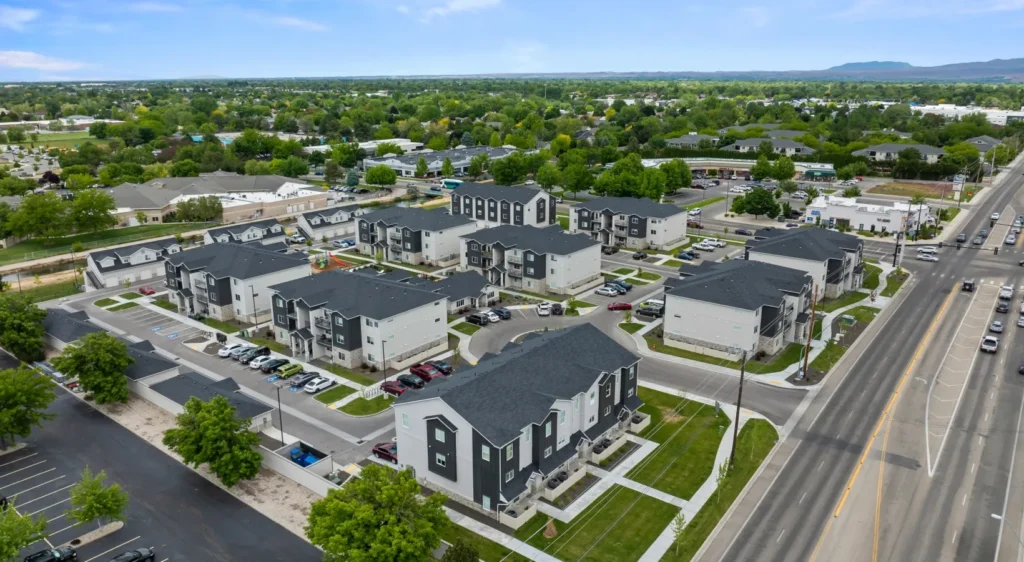
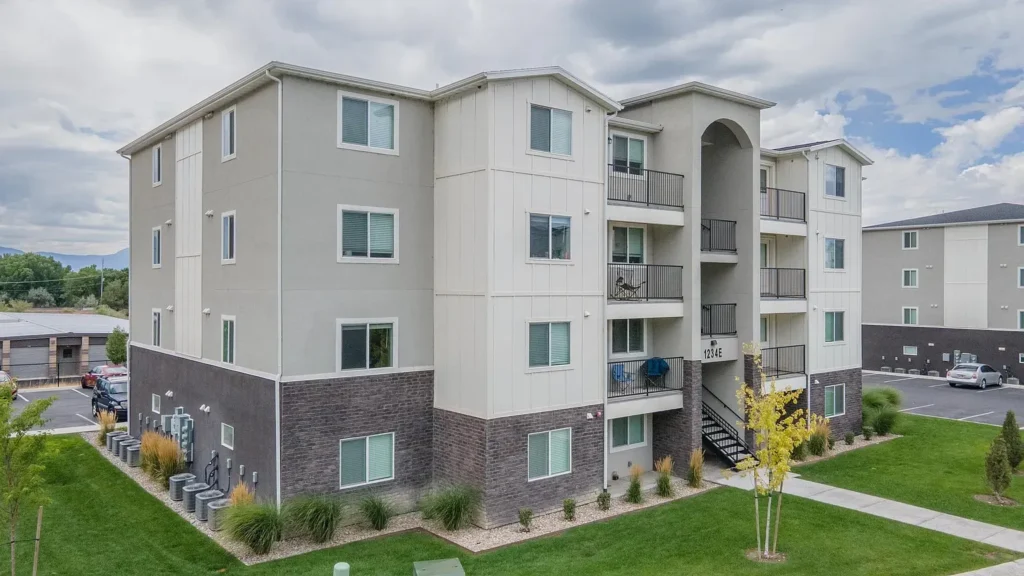
Over three decades, Mike has built over 5,600 residential and commercial units, spanning single-family homes, multifamily communities, mixed-use developments, and commercial properties in Utah, Idaho, Arizona, Texas, and now Florida. At the peak of operations, his company ran 50 internal employees overseeing over 1,200 workers daily across multiple active projects. He also built a property management portfolio of 3,500 rental units from scratch and sold it in 2021, which included luxury single-family homes ranging from 5,000 to 16,000 square feet and a first-of-its-kind standalone commercial project totaling 60,000 square feet.
When the Mayor Said No: Sandy City, 240 Apartments
The project hit a wall when the mayor denied it outright. Most people walk away at that point, but instead, Mike invested $40,000 in a professional scale model of the proposed development and presented it directly to the city council, bypassing the opposition entirely and making the project tangible for every decision-maker in that room. The council approved all 240 units, and that willingness to find a different door when the first one closes comes from decades of navigating political and regulatory realities that no textbook covers.
Turning Dead Assets into Revenue
A client in Parrish, FL, came to Mike with an old furniture warehouse and no clear direction. The upper floor was unused, but all conventional conversions hit the same wall: additional parking requirements that made them financially unviable. Mike identified that storage units bypassed this trigger entirely, turning a dormant asset into a cash-flowing property without the capital burden of adding infrastructure. In a separate project, a homeowner was planning a master bedroom addition—a pure expense with no return. Mike redirected it to an ADU (Accessory Dwelling Unit), which now generates $1,000 per month in rental income on a $50,000 investment. That is a 24% annual return on what originally would have been a sunk cost.
National Experience, Planted in Florida
Mike didn’t move to Sarasota to parachute into a new market. He moved here because Florida’s Gulf Coast is where the work is, and Bradenton is now his home base.
Why the Bradenton and Sarasota Corridor
After three decades in the Mountain West and Texas, Mike chose Florida’s Gulf Coast deliberately—one of the fastest-growing development markets in the country right now. The Bradenton and Sarasota corridor has strong population momentum, an active permitting environment, and a healthy mix of residential, commercial, and mixed-use development opportunities that align directly with what ILCC does. The office is located at 1201 6th Ave W in Bradenton. This is not a satellite operation.
Serving the Greater Tampa Bay Region
While Bradenton is the base, ILCC regularly serves clients in Sarasota, Manatee, Hillsborough, and Pinellas counties. Whether you are looking at a residential lot in Lakewood Ranch, a commercial site in downtown Sarasota, or a multifamily opportunity anywhere in the greater Tampa Bay market, the proximity is real and the involvement is hands-on.
Why Cross-Market Experience is an Advantage Here
Consultants who have only worked in one market tend to approach every problem the same way. Mike’s projects in Utah, Idaho, Arizona, and Texas meant navigating genuinely different zoning codes, different council dynamics, different soil conditions, and different market cycles—including the 2008 crash, which he survived by pivoting quickly and rebuilding from scratch. This breadth gives Florida clients access to perspectives and problem-solving patterns that local consultants simply don’t have.
Common Questions About Working with ILCC
What does a land development consultant actually do?
A land development consultant advises owners, investors, and builders on how to take raw land through the entire development process by evaluating feasibility, navigating zoning and entitlements, coordinating construction, and managing overall project strategy. At ILCC, Mike covers every phase personally, drawing on over 30 years of practical experience rather than delegating to junior staff. Clients get a single point of contact who understands how decisions made early affect what happens six months into the build.
How is ILCC different from other consulting firms?
Most firms specialize in one lane: entitlements, financial modeling, or project management. ILCC is different because Mike has personally worked as a builder, developer, general contractor, and property manager, maintaining a GC license for over three decades and building over 5,600 units across eight states. The advice you are receiving is not second-hand or theoretical, but comes from someone who has been in every seat at the development table and understands how the whole thing fits together.
What types of projects does ILCC work on?
ILCC covers residential and commercial development, custom home builds, multifamily communities, mixed-use developments, commercial properties, and land subdivision projects. A significant portion of the work also involves builder-to-developer transitions, helping experienced contractors take their first serious step into developing their own projects.
Do you only work in Florida?
ILCC is based in Bradenton and primarily serves clients in Sarasota, Manatee, Hillsborough, and Pinellas counties. That said, Mike’s experience spans projects in Utah, Idaho, Arizona, and Texas, and for the right engagement—particularly feasibility studies, development strategy, and builder-to-developer consulting—ILCC works with clients nationally.
What is the first step?
A consultation. Mike will ask about your project, your goals, and your current situation. There is no cost for the initial conversation and no pressure to move forward. The goal is to figure out if ILCC is the right fit and, if so, to map out a clear path from where you are to where you are trying to go.
How much does consulting cost?
Each engagement is priced individually because a feasibility study on a single parcel looks nothing like full development management for a 200-unit community. Instead of publishing a flat fee that doesn’t reflect what is actually needed, ILCC assesses each project specifically and provides a clear picture of what is involved and what it costs before anything begins.
Will you tell me if my project isn't feasible?
Yes, and that is one of the most valuable things ILCC does. If the numbers don’t support the plan, if the zoning doesn’t accommodate what you are proposing, or if the risks outweigh the realistic return, you will hear it directly. Mike has turned away consulting fees rather than watch a client commit capital to something that would never work; his reputation is built on this honesty, not around it.
Let's Talk About Your Project
The First Conversation Costs Nothing
Whether you are evaluating a parcel, planning a custom build, preparing to make the jump from builder to developer, or trying to figure out what to do with a piece of land that hasn’t hit its potential, it all starts with a conversation. Mike Miller has spent over 30 years working on exactly these types of problems; bring yours to the table.
- (941) 254-3144
- mike@integratedlandcc.com
- 1201 6th Ave W, Suite 100/220, Bradenton, FL 34205
Schedule My Free Consultation
By submitting this form you agree to our privacy policy. We’ll never share your information.